

* Corresponding author: Ali Heidarianpour, Faculty of Sport Sciences, Bu-Ali Sina University, Hamedan, Iran.
Email: a.heidarianpour@basu.ac.ir
Received: 27 July 2025
Accepted: 11 February 2026
How to Cite this Article
Eskandari H, Heidarianpour A, Naderi A. Effect of Twelve Weeks of Resistance Training and Combined Resistance Training with the Use of Sumac on the Pain Threshold of Male Wistar Rats with Alzheimer's Disease. Complement Med J. 2026;15(4):281-289. DOI: 10.22034/cmja.15.4.281
Abstract
Introduction: Alzheimer's disease is a progressive neuropsychiatric disorder that mainly affects cognitive function and memory. Many studies have been conducted on exercise, Alzheimer's, herbs, and Alzheimer's, but no study has been conducted on the use of sumac and simultaneous exercise, and the aim of this study is to investigate the effect of endurance, strength, and combined exercise along with sumac consumption on the pain threshold of Alzheimer's rats.
Materials and Methods: In this semi-experimental study, 70 male Vistar Rats were selected with an average weight of 20 ± 200 g. For Alzheimer's induction, 8 mg/kg of trimethyltinchloride (TMT) were dissolved with normal saline and injected into the peritoneum. Then, the rats were randomly divided into 10 groups: Sumac, Alzheimer's+sumac+resistance, Alzheimer's+sumac+combination, Alzheimer's + swimming,Alzheimer's+resistance, combined Alzheimer's The rats underwent endurance training in a swimming pool for 12 weeks, with five sessions per week. The resistance training involved climbing a ladder with weights attached to their tails. In addition, for strength training, the combined program was practiced two days per week, and for endurance training, they practiced three days a week. Their pain threshold was checked by two teleflik tests, the hotplate after 12 weeks. For descriptive statistics, mean and standard deviation were used. For inferential statistics and research hypotheses, the one-strain anvai test was used and for intra-group comparisons of the toki post-tracking test. Statistical analyses were performed using SPSS software (version 29).
Results: Based on the findings of the present research, 12 weeks of strength, endurance, and combined exercise with the use of sumac, compared to the control group, increased the pain threshold of rats with Alzheimer's diease in the endurance and combined group (p=0.001); however, it was not significant in the power group (p=0.62). The increase in the pain threshold in the sumac intake group was also not statistically significant.
Conclusion: Combined exercise (endurance + resistance) along with the use of sumac had the highest effect on increasing the pain threshold in Alzheimer's mice, possibly due to the doubling of the effect of exercise and sumac simultaneously.
Keywords: Alzheimer's disease; Exercise; Pain threshold
Introduction
Alzheimer's disease is a progressive brain disease that gradually causes loss of memory, the ability to learn, reason, judge, communicate with others, and perform daily activities (1). According to the World Health Organization, by 2050 the number of people with Alzheimer's disease worldwide will reach 131.5 million (1). Physiologically, the disease is characterized by prominent atrophy of the cerebral cortex and loss of cortical and subcortical neurons (1). Pathological changes in patients with Alzheimer's disease develop over decades and initially affect the hippocampal region. These changes then spread throughout the limbic system, with extensive alterations and disruption of connections between system components (1). The prevalence of pain in people with Alzheimer's disease is between 38% and 75% (2). Pain processing in Alzheimer's disease is different. Alzheimer's disease also reduces cognitive function in addition to changing the experience of pain (3). People with Alzheimer's disease have greater pain sensitivity and experience more pain. On the other hand, physical activity and exercise are now viewed not only as a way to spend leisure time, but also as an indispensable necessity for health and well-being. Researchers widely consider physical activity a behavioral strategy for improving general health and mental performance. Exercise also improves the nervous system by coordinating and purposefully engaging nerves and muscles to perform precise and regular movements; because nerves are the communication pathways between the brain and body organs, the activity of body organs is also influenced by the brain. Therefore, exercise directly affects voluntary nerves and indirectly affects involuntary nerves (4).
Research indicates that, contrary to previous beliefs, brain cells are also produced during life, and exercise can improve synaptic connections (5). Synapses are sites of communication between neurons that help store information (5). Exercise causes the production of new brain cells in the hippocampus, the main site of learning and memory (6). Numerous studies have recently examined the effect of exercise on brain function, and multiple biological mechanisms have been proposed for the effects of exercise and physical activity on brain function. One important effect of exercise on human brain function is improved memory (6). These stimuli arise from damaging factors that cause a living organism to move away from those factors (6). Research has shown a relationship between physical activity and pain threshold, and exercise can alter pain threshold (6). Some researchers believe that there is a relationship between the type and intensity of physical activity and pain threshold (6). Based on research findings, exercise can be considered effective in changing pain threshold and reducing the effects of pain (6).
Exercise can reduce inflammatory factors and produce an anti-inflammatory analgesic effect in animal models (6). In addition, increased beta-endorphin after exercise is thought to alter mood and animal sensitivity to pain and produce a euphoric, opioid-like state (7). Aerobic exercise stimulates the release of beta-endorphin and other endogenous opioid peptides, and secretion of these substances is believed to increase after strenuous activity, resulting in an increased pain-sensation threshold (e.g., pain relief) (8). Soori et al. reported that aerobic exercise favorably affected the production and balance of pro-inflammatory cytokines in the cerebellar region of aged rats (9). Research has also shown that strenuous exercise may increase endogenous opioid peptides, which remain elevated for a prolonged period after exercise. This may help explain increased pain tolerance among athletes (10).
Many studies indicate that increased pain tolerance may occur after physical exercise. Researchers call this phenomenon exercise-induced analgesia (11). Sumac effectively reduces oxidative stress damage and thereby improves anxiety-like behaviors. Based on this, sumac can be proposed as an effective factor in the treatment of Alzheimer's disease (12). Hydroalcoholic extract of sumac leaves has analgesic properties and can reduce malondialdehyde, a marker of oxidative stress that contributes to anxiety-like behavior, by increasing catalase and superoxide dismutase activity (13). Studies have shown that sumac fruit reduces anxiety-like behavior and oxidative stress in the cerebral cortex of rats, and other studies have shown that tannic acid and natural polyphenols in sumac, through their strong antioxidant activity, play a role in the treatment of Alzheimer's disease and diabetes (14).
Golshani et al. investigated the effect of sumac essential oil on depression and anxiety in male rats and reported that consumption of sumac essential oil significantly reduced depression and anxiety compared with the diseased control group (15). Given these effects, sumac may be effective in reducing pain in Alzheimer's rats, although no study has been conducted on this issue. Physical activity causes the release of certain neural mediators in the brain that alleviate physical and mental pain. The effects of exercise on the brain have been shown to occur through neurogenesis and endorphin release (16).
Exercise activates systems related to opioids and pain (17). People with Alzheimer's disease have significant impairments in cognitive ability and pain sensation (18). On the other hand, sumac effectively reduces oxidative stress damage and thereby improves anxiety-like behaviors. Based on this, sumac can be considered an effective factor in the treatment of Alzheimer's disease (18). Numerous studies have examined the effect of exercise on memory and learning, but no study has examined the effect of physical activity combined with sumac consumption on behavioral changes caused by Alzheimer's disease, including pain threshold. Therefore, the present study aimed to investigate the effect of 12 weeks of aerobic and resistance training combined with sumac consumption on pain threshold in male Alzheimer's rats.
Methods
Subjects
The present study was experimental. The subjects were 70 male Wistar rats, 8 to 12 weeks old, with an average body weight of 200±20 g. The animals were obtained from the animal laboratory of the Faculty of Medical Sciences in Hamedan and, after transfer to the laboratory and acclimatization during the study period, were maintained at a temperature of 20–24 °C, humidity of 45–55%, and appropriate lighting (12 hours light and 12 hours dark). All animals had free and sufficient access to water and standard animal food.
Alzheimer's Induction
To induce Alzheimer's disease in male Wistar rats, 8 mg/kg trimethyltin chloride was dissolved in normal saline and injected intraperitoneally (19). After 3 days, destruction of the hippocampal region occurred and some behavioral signs of Alzheimer's disease were observed. Clinical signs included muscle tremor, increased body temperature, nausea, seizures, tail twisting, aggressive behavior, and self-biting. Two weeks after trimethyltin chloride injection, the animals' brain tissue was examined to confirm the effect of the drug in inducing Alzheimer's disease, and induction of Alzheimer's disease was confirmed.
Preparation of Sumac
To administer sumac (Rhus coriaria L.) to the supplement groups, fresh branches of the sumac plant were obtained from cultivated fields in Qom County. After separating the stems and leaves and drying the separated parts as a single layer 2 cm thick on a clean cotton cloth in the shade at 25 °C, the material was ground after approximately one week, when the weight of the dried samples became stable, using a spice grinder manufactured by Sonica, Japan. The resulting powder was mixed with the rats' food at a ratio of 10% (sumac powder, 100 mg/kg). Supplement feeding began when Alzheimer's disease had stabilized. The mixture was then made into a paste, molded into plates using a pastry cream nozzle, and dried (21).
Endurance Training Protocol
Endurance training consisted of swimming for 12 weeks, 5 days per week. In week 1 the rats swam for 15 minutes, week 2 for 20 minutes, week 3 for 30 minutes, week 4 for 40 minutes, week 5 for 50 minutes, weeks 6 through 9 for 60 minutes per day, and weeks 10 through 12 for 60 minutes twice per day in a special rat swimming pool equipped with a water wave generator, at a water temperature of 30–33 °C (Table 1). To acclimatize the animals, they were familiarized with the swimming environment for one week before the start of swimming training (22).
Resistance Training Protocol
Resistance training was performed for 12 weeks, 5 days per week, by climbing a one-meter ladder with 26 steps at an angle of 85° to the ground while weights were attached to the rats' tails. The weight attached to each animal's tail was 50–60% of body weight in weeks 1 and 2, 70–90% in weeks 3 to 5, 100–110% in weeks 6 to 8, 120–130% in weeks 9 and 10, and 140–150% in weeks 11 and 12. Each training session consisted of 3 sets of 4 repetitions. Rest between repetitions was 30–60 seconds and rest between sets was 120–150 seconds. Before resistance training began, the rats were familiarized with the training environment for one week (23).
Table 1. Endurance Training Program
Week | Duration (minutes) | Interval between sessions (hours) |
|---|---|---|
1 | 15 | 24 |
2 | 20 | 24 |
3 | 30 | 24 |
4 | 40 | 24 |
5 | 50 | 24 |
6 | 60 | 24 |
7 | 60 | 24 |
8 | 60 | 24 |
9 | 60 | 24 |
10 | 60 | 12 |
11 | 60 | 12 |
12 | 60 | 12 |
Combined Training
The combined program consisted of resistance training for 2 days per week and endurance training for 3 days per week based on the protocols above. Two rest days between training periods were also included in the program. All training protocols were performed during daylight hours.
Experimental Procedure
The rats were randomly divided into ten groups of seven: Alzheimer's, sham without saline injection, resistance, resistance+sumac, endurance, endurance+sumac, combined, combined+sumac, control, and Alzheimer's+sumac. The endurance-training group swam for 12 weeks, 5 days per week. Resistance training was performed for 12 weeks, 5 days per week. The combined program consisted of resistance training for 2 days per week and endurance training for 3 days per week. Groups receiving both sumac and exercise were given sumac mixed with their food at a ratio of 10% (sumac powder, 100 mg/kg) and received the supplement simultaneously with stabilization of Alzheimer's disease.
Study Instruments
Pain Measurement
Two methods were used to measure pain threshold: the tail-flick test and the hot-plate test.
Tail-flick test: The tail-flick test was used to measure changes in thermal pain threshold. In this test, a light beam was applied to the middle third of the animal's tail for 10 seconds, generating heat in the tail. In response to the heat, the animal withdrew its tail from the beam, causing the light to strike the electronic sensor and stop the timer. The response time between the onset of the stimulus and the animal's reaction was considered a measure of pain in the tail-flick test. The pain produced by this test is brief and transient; if the animal did not withdraw its tail within 10 seconds after exposure to the intense light, the stimulus was stopped to prevent tissue injury (24). Pain threshold was measured after completion of the 12-week training and supplementation period.
Hot-plate test: The hot-plate device is a plate heated by an electric current. Rats were individually placed on the hot plate at 55±0.2 °C, and the time until licking of the hind paws or an attempt to jump out of the container was recorded as the latency period. The cutoff time was 60 seconds to prevent tissue damage (25). Pain threshold was measured after completion of the 12-week training and supplementation period.
Statistical Analysis
Descriptive statistics were reported as mean and standard deviation. For inferential statistics and testing the research hypotheses, one-way ANOVA was used, and Tukey's post hoc test was used for within-group comparisons. Statistical analyses were performed using SPSS 29.
Results
The results and between-group comparison of pain threshold in the tail-flick test are presented in Figure 1. One-way analysis of variance showed a significant difference among the groups (F=23.75 and P=0.001). After Tukey's post hoc test, the latency in the tail-flick test was assessed in Alzheimer's rats that received endurance training, resistance training, and sumac, separately and in combination, compared with healthy control rats. Measurements showed that all exercise-plus-sumac groups had significant differences in tail-flick latency compared with the Alzheimer's group. The Alzheimer's group receiving endurance exercise and the Alzheimer's group receiving combined exercise also differed significantly from the Alzheimer's group, whereas the Alzheimer's group receiving resistance training did not differ significantly from the Alzheimer's group (*P>0.05; **P>0.01; ***P>0.001) (Figure 1).
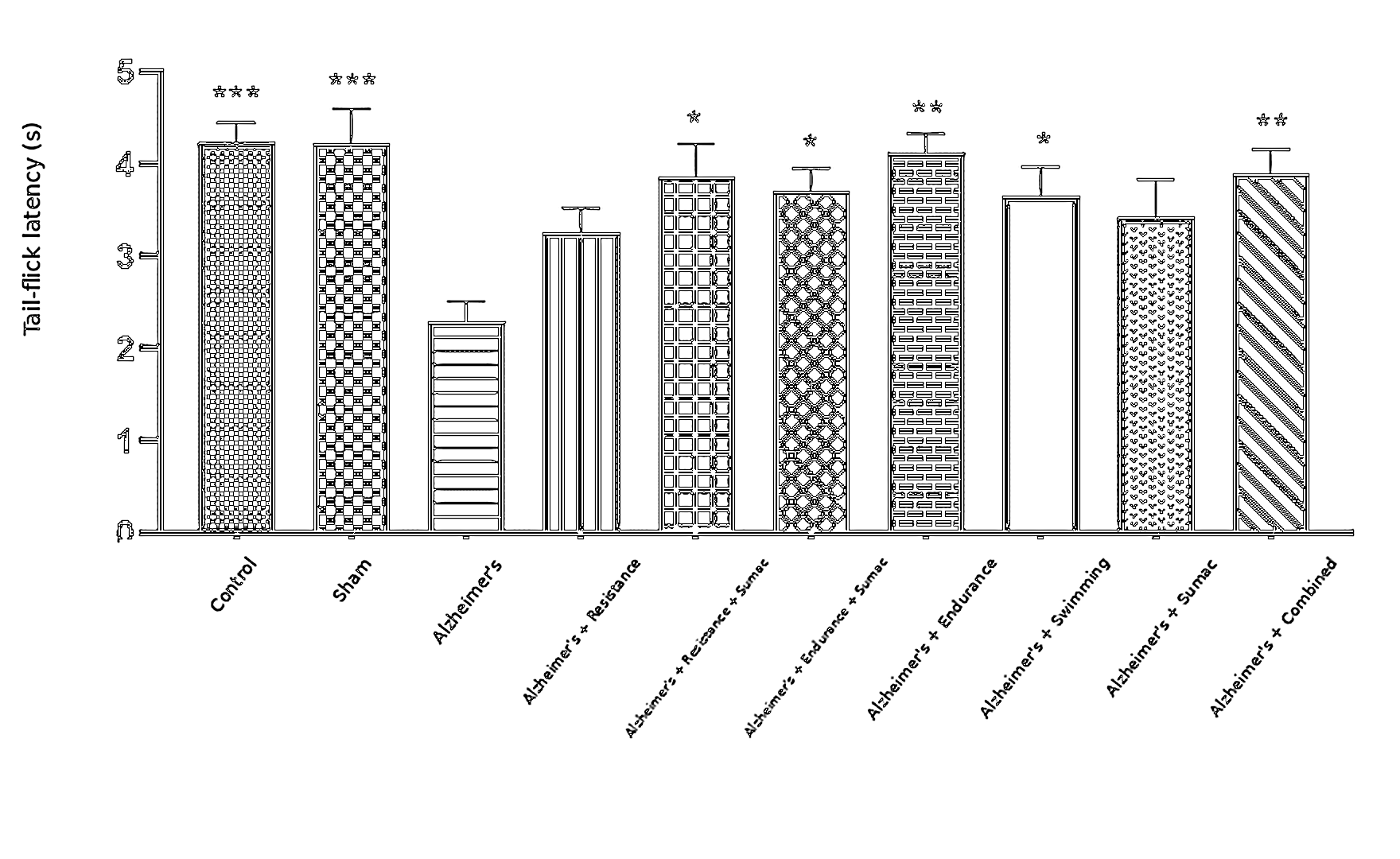
Figure 1. Latency time in the tail-flick test.
Tail-flick latency in the study groups compared with the control group in Alzheimer's rats is presented as Mean±SEM (*P>0.05; **P>0.01; ***P>0.001; *: significance compared with the Alzheimer's group).
The results and between-group comparison of the hot-plate test are presented in Figure 2. One-way analysis of variance showed a significant difference among the groups (F=41.25 and P=0.001). After Tukey's post hoc test, hot-plate latency was assessed in Alzheimer's rats that received swimming, resistance training, and sumac, separately and in combination, compared with control rats. Measurements showed that the endurance+sumac group (P>0.05) and the combined exercise plus sumac group (P>0.001) differed significantly in hot-plate latency from the Alzheimer's group, whereas the Alzheimer's group receiving resistance training plus sumac did not differ significantly from the Alzheimer's group. The Alzheimer's group receiving endurance exercise and the Alzheimer's group receiving combined exercise also differed significantly from the Alzheimer's group, whereas the Alzheimer's group receiving resistance training did not differ significantly from the Alzheimer's group (*P>0.05; ***P>0.001; ****P>0.0001; *: significance compared with the Alzheimer's group).
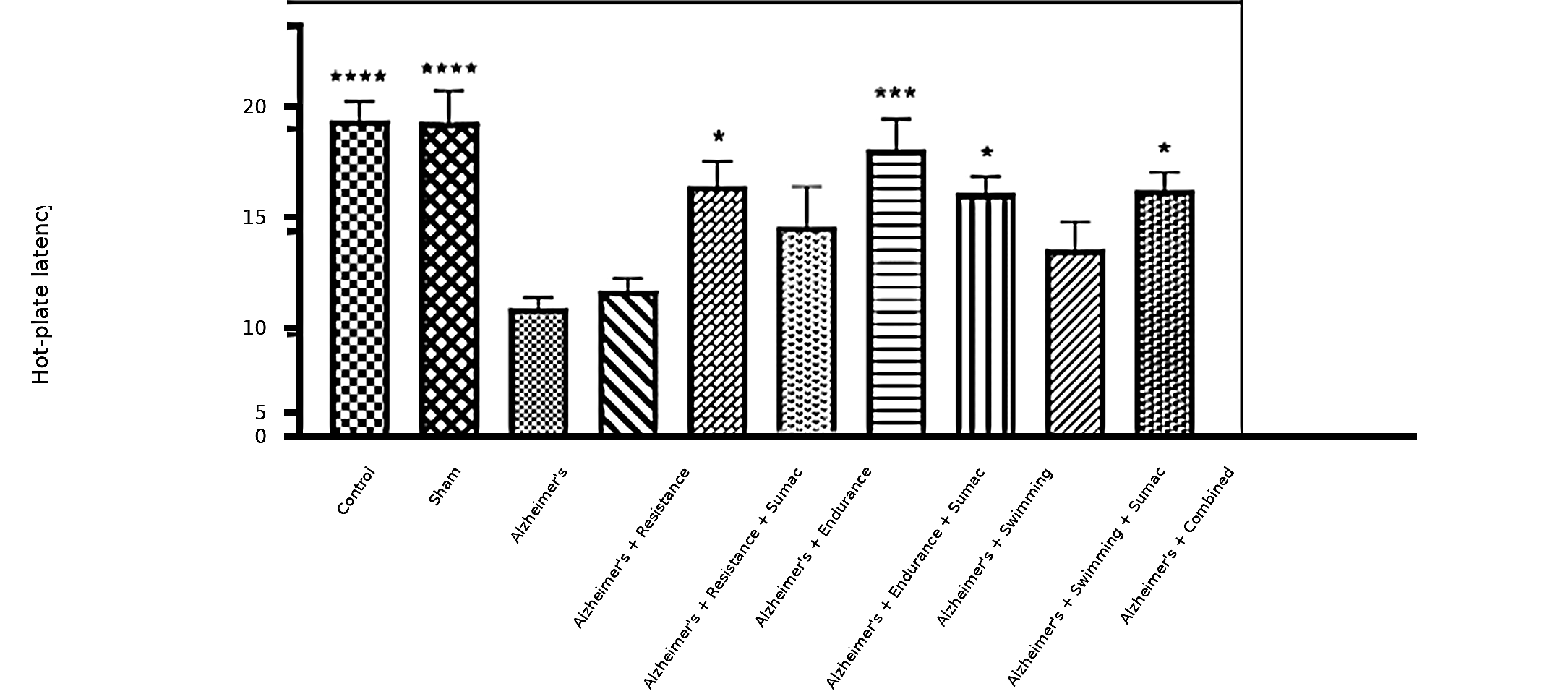
Figure 2. Pain response latency time in the hot-plate test.
Pain response latency in the hot-plate test in the study groups compared with the control group in Alzheimer's rats is presented as Mean±SEM (*P>0.05; **P>0.01; ***P>0.001; *: significance compared with the Alzheimer's group).
Discussion
Our study showed that 12 weeks of endurance and combined exercise increased pain threshold in Alzheimer's rats; this increase was statistically significant in the endurance+sumac and combined+sumac groups and was not significant in the resistance group. The data showed that regular exercise increases pain threshold in Alzheimer's rats. The effect of exercise on oxidative stress and antioxidant defense may be one mechanism responsible for this result. Studies have shown that the mechanisms involved in pain reduction are complex and include activation of endogenous pain-control systems. These systems include release of neurotransmitters such as serotonin, dopamine, acetylcholine, and norepinephrine, as well as activation of endogenous endocannabinoid and opioid systems, all of which contribute to pain modulation (26). Exercise can also reduce oxidative stress and increase the body's antioxidant capacity. Oxidative stress, caused by an imbalance between free-radical production and the body's ability to neutralize free radicals, is associated with tissue damage, inflammation, and increased pain sensitivity. Reduction of oxidative stress and inflammation after exercise, particularly with antioxidant supplementation, may help reduce pain and improve recovery; exercise has therefore been introduced as a suitable means of pain management and exercise regimens are used in most pain-management programs (26). Physical activity causes the release of certain neural mediators in the brain that alleviate and relieve physical and mental pain. The effects of exercise on the brain have been shown to occur through multiple mechanisms, including neurogenesis, improved mood, and endorphin release (16).
Regular physical activity increases the resistance of cells, tissues, and organs to oxidative stress, increases energy metabolism, and promotes neurotrophin synthesis, all of which are major factors in muscle growth and improvement of memory and brain plasticity. Exercise also improves neurogenesis and synaptogenesis, which play important roles in improving memory and cognitive functions; these benefits are important in preventing Alzheimer's disease (27). Regular exercise increases cerebral blood flow, and water-based exercise increases cerebral blood flow compared with land-based exercise at a similar intensity (28). In addition, exercise changes the pain-sensation threshold, and studies indicate that physical activity is a supportive tool for managing painful conditions. Several studies have reported that physical activity can alter pain perception during and after exercise (30, 29). In the present study, assessment at the end of both tests (hot-plate and tail-flick) showed that Alzheimer's disease induced by intraperitoneal TMT injection significantly reduced pain threshold, consistent with some previous studies (32, 31). This reduction may be related to involvement of brain regions containing key components of pain and related to the sensory-discriminative and affective-motivational dimensions of pain (33). Findings from these studies indicate that physical activity can change pain perception after exercise (32, 31) and that exercise increases pain threshold (26). These findings are particularly important for pain management in Alzheimer's disease. In a study by Almasi (2025) in male Alzheimer's rats, endurance training significantly increased pain threshold in the tail-flick, hot-plate, and formalin tests (34).
Pylo and colleagues (2020) reported in a systematic review that aerobic exercise, even with low-quality evidence, increases peripheral pain threshold/tolerance in healthy individuals (35), which is consistent with the present study. Endurance training increases cerebral blood flow, particularly because water-based exercise produces greater cerebral blood flow than land-based exercise. Endurance exercise reduces inflammatory marker levels in Alzheimer's rats. This reduction in inflammation plays an important role in improving pain threshold because chronic inflammation is a key factor in exacerbating neuropathic pain (36). In a study by Jafarzadeh et al. (2012), eight weeks of resistance training in Alzheimer's rats significantly improved pain threshold (37). Bachco-Barios et al. (2020), in a systematic review and meta-analysis, showed that exercise generally increases pain threshold in healthy individuals and that this effect is more pronounced with moderate-intensity strength exercise and in women (38). The results of these studies are inconsistent with the present study because 12 weeks of resistance training in this study did not have a significant effect on pain threshold in Alzheimer's rats. This inconsistency may be due to exercise intensity or duration, the type of pain-assessment test in Alzheimer's rats, the timing of the pain test, or even the strain of rats used.
Further studies are needed to identify the mechanisms involved and the possible effect of exercise on pain threshold in Alzheimer's disease. Pain is an unpleasant sensation associated with many diseases. Finding effective analgesic drugs with fewer adverse effects has always been a major challenge in medicine. Therefore, attention to medicinal plants has increased in recent years. Alsamri's 2021 study reported that tannic acid and gallic acid in sumac protect cells from oxidative stress (39). Perrone et al. (2022) reported that gallic acid in sumac, because of its antioxidant properties, reduces oxidative stress in the brain of an Alzheimer's model and provides preventive effects. This reduction can be explained by the effect of sumac on antioxidant indices, including increased activity of catalase, glutathione peroxidase, glutathione reductase, and total antioxidant levels (40).
A study examining the analgesic effects of sumac extract showed significant changes in pain threshold in Wistar rats previously treated with sumac extract (41). On the other hand, mineral composition of sumac fruit determined by spectrometry showed that the predominant elements were K, Ca, Mg, P, Fe, Na, Zn, Mn, Cu, and Al (43, 42). In terms of vitamin content, sumac contains thiamine, riboflavin, pyridoxine, cyanocobalamin, and niacin (42). Multiple medicinal properties have been reported for sumac, including anticancer, anti-inflammatory, neuroprotective, analgesic, cardioprotective, and antidiabetic effects (39). These studies are consistent with the tests performed in our study. Chronic inflammation has been reported to play a role in the development and progression of many chronic diseases, including autoimmune, neurodegenerative, atherosclerotic, obesity-related, diabetic, Alzheimer's, cardiovascular, and cancer diseases (39). Inflammatory factors, including CRP (C-reactive protein), IL-1 (Interleukin 1), IL-6 (Interleukin 6), TNF (Tumor Necrosis Factor alpha), CCL5 (Chemokine ligand 5), and others, are useful indicators of inflammatory activity and play a role in the pathogenesis of chronic diseases and risk of mortality (45, 44). Studies indicate that the analgesic effect of sumac may occur through effects on peripheral and central neural mechanisms (41). Based on these findings, sumac may be a potential source of new, natural, and safe analgesic compounds, consistent with our research.
The present study, like any research, has some limitations. One of the most important limitations is that the study subjects were laboratory animals, which may affect external validity, and the results may not be generalizable to humans and ordinary communities. Another limitation was the small sample size, and a larger sample could potentially have produced different results. The 12-week duration of exercise was another limitation, and a longer duration might have produced different results. Reducing or increasing the frequency of training sessions during a week, or changing the duration and intensity of exercise in each session, may also affect the findings. Therefore, future researchers should consider these limitations in their investigations.
Conclusion
Overall, based on the findings of this study, exercise may have positive effects on increasing pain threshold in Alzheimer's disease, and combined exercise (endurance+resistance) together with sumac consumption, because of the antioxidant properties of sumac, may produce greater synergistic effects on pain improvement compared with resistance exercise. Therefore, people with Alzheimer's disease, or anyone involved with these individuals, are encouraged to reconsider incorporating endurance+resistance activities into their daily routine, adopting an active lifestyle, and using natural antioxidants such as sumac, which may be more effective when combined with exercise. Nevertheless, more detailed and rigorous studies are needed to evaluate these findings further in light of the limitations identified in this study.
Acknowledgments
We would like to thank Dr. Heidarianpour for his precise guidance and assistance with the design of this study.
Ethical Considerations
This article was conducted at Bu-Ali Sina University under ethics code IR.BASU.REC.1400.007.
Funding
The funding source for this study was Bu-Ali Sina University.
Authors' Contributions
All authors contributed equally to this study.
Conflict of Interest
There was no conflict of interest among the authors.
References
- Naderi A, Saremi A, Afarinesh Khaki MR. Comparison of twelve weeks of endurance and resistance exercise on the levels of Acetylcholine and Interleukin-1 Beta in Alzheimer's male rats. 2024;12(3):55-63. doi: 10.61186/shefa.12.3.55
- Monroe TB, Gore JC, Chen LM, Mion LC, Cowan RL. Pain in people with Alzheimer disease: potential applications for psychophysical and neurophysiological research. J Geriatr Psychiatry Neurol. 2012;25(4):240-55. doi: 10.1177/0891988712466457. pmid
- Stix G. Alzheimer's: forestalling the darkness. Sci Am. 2010;302(6):50-7. doi: 10.1038/scientificamerican0610-50. pmid
- Pakkanen J. Upregulation and functionality of Neuronal nicotinic acetylcholine receptors. 2006.
- Benedetti F, Vighetti S, Ricco C, Lagna E, Bergamasco B, Pinessi L, et al. Pain threshold and tolerance in Alzheimer's disease. Pain. 1999;80(1-2):377-82. doi: 10.1016/s0304-3959(98)00228-0. pmid
- Farhang D, Talebi N. Comparison of the Effects of Aerobic and Resistance Training on Changes in Inflammatory Pain Threshold in Male Rats. First National Conference on Sport, Mass Participation, and Lifestyle. 2021.
- Feldman M, Kiser RS, Unger RH, Li CH. Beta-endorphin and the endocrine pancreas. Studies in healthy and diabetic human beings. N Engl J Med. 1983;308(7):349-53. doi: 10.1056/NEJM198302173080701. pmid
- Janal MN, Colt EW, Clark WC, Glusman M. Pain sensitivity, mood and plasma endocrine levels in man following long-distance running: effects of naloxone. Pain. 1984;19(1):13-25. doi: 10.1016/0304-3959(84)90061-7. pmid
- Soori R, Vahdat H, Shabkhize F, Ababzadeh S, Eslami Farsani M. Effects of aerobic exercise and rosemary extracts on inflammatory factors in the cerebellum of old male rats. Qom Univ Med Sci J. 2020;14(4):11-21. doi: 10.29252/qums.14.4.11
- Smith MA, Yancey DL. Sensitivity to the effects of opioids in rats with free access to exercise wheels: mu-opioid tolerance and physical dependence. Psychopharmacol. 2003;168(4):426-34. doi: 10.1007/s00213-003-1471-5. pmid
- Dworkin RH, Backonja M, Rowbotham MC, Allen RR, Argoff CR, Bennett GJ, et al. Advances in neuropathic pain: diagnosis, mechanisms, and treatment recommendations. Arch Neurol. 2003;60(11):1524-34. doi: 10.1001/archneur.60.11.1524. pmid
- Türkan F, Taslimi P, Saltan FZ. Tannic acid as a natural antioxidant compound: discovery of a potent metabolic enzyme inhibitor for a new therapeutic approach in diabetes and Alzheimer's disease. J Biochem Mol Toxicol. 2019;33(8):e22340. doi: 10.1002/jbt.22340. pmid
- Mohammadi S, Zarei M, Zarei MM, Salehi I. Effect of hydroalcoholic leaves extract of Rhus Coriaria on pain in male rats. Anesth Pain Med. 2016;6(1):e32128. doi: 10.5812/aapm.32128. pmid
- Hajizadeh Moghaddam A, Hasantabar V, Khanjani Jelodar S. Antioxidant and Anti-anxiety effects of Sumac nano-phytosome in rat model of Alzheimer’s disease: an experimental study. J Rafsanjan Univ Med Sci. 2020;19(7):647-60. doi: 10.29252/jrums.19.7.647
- Golshani Y, Mohammadi S. Effects of Rhus Coriaria essential oil on depression and anxiety in male rats. Feyz Med Sci J. 2019;23(5):476-84. Link
- Naderi A, Alaei H, Sharifi MR, Hoseini M. The comparison between effect of short-term and mid-term exercise on the enthusiasm of the male rats to self-administer morphine. Iran J Basic Med Sci. 2007;9(4):272-80. Link
- Willow M, Carmody J, Carroll P. The effects of swimming in mice on pain perception and sleeping time in response to hypnotic drugs. Life sci. 1980;26(3):219-24. doi: 10.1016/0024-3205(80)90296-9. pmid
- Yeganeh Hashemi A, Saremi A, Afarinesh Khaki M. The effect of a period of endurance training along with sumac extract supplementation on inflammatory and apoptotic factors in Alzheimer's male rats. Cell Tissue J. 2024;15(2):97-112. doi: 10.61186/JCT.15.2.97
- Zare M, Edalatmanesh MA, Zar AS. The effect of eight weeks of endurance training on the hippocampal concentration of tumor necrosis factor alpha in female rats with Alzheimer's disease. 2015. doi: 10.29252/jmj.13.4.57
- Malekzadeh S, Edalatmanesh MA, Mehrabani D, Shariati M. Drugs induced Alzheimer’ s disease in animal model. Galen Med J. 2017;6(3):e820. doi: 10.31661/gmj.v6i3.820
- Nagib RM. Hypolipidemic effect of sumac (Rhus coriaria L) fruit powder and extract on rats fed high cholesterol diet. Bulletin Nat Nutr Institute Arab Rep Egypt. 2017;50:75-98. doi: 10.21608/bnni.2017.6726
- Stanojevic D, Jakovljevic V, Barudzic N, Zivkovic V, Srejovic I, Ilic KP, et al. Overtraining does not induce oxidative stress and inflammation in blood and heart of rats. Physiol Res. 2016;65(1):81-90. doi: 10.33549/physiolres.933058. pmid
- Saremi A. Comparison of the effects of endurance, resistance and concurrent training on insulin resistance and adiponectin-leptin ratio in diabetic rat. JQUMS. 2017;21(3):13-22. [Persian] Link
- Ness TJ, Gebhart GF. Centrifugal modulation of the rat tail flick reflex evoked by graded noxious heating of the tail. Brain Res. 1986;386(1-2):41-52. doi: 10.1016/0006-8993(86)90139-3. pmid
- Esmaeili-Mahani S, Rezaeezadeh-Roukerd M, Esmaeilpour K, Abbasnejad M, Rasoulian B, Sheibani V, et al. Olive (Olea europaea L.) leaf extract elicits antinociceptive activity, potentiates morphine analgesia and suppresses morphine hyperalgesia in rats. J Ethnopharmacol. 2010;132(1):200-5. doi: 10.1016/j.jep.2010.08.013. pmid
- Hayes C, Kriska A. Role of physical activity in diabetes management and prevention. J Am Diet Assoc. 2008;108(4 Suppl 1):S19-23. doi: 10.1016/j.jada.2008.01.016. pmid
- Chen WW, Zhang X, Huang WJ. Role of physical exercise in Alzheimer's disease. Biomed Rep. 2016;4(4):403-7. doi: 10.3892/br.2016.607. pmid
- Pugh CJ, Sprung VS, Ono K, Spence A, Thijssen D, Carter H, et al. The effect of water immersion during exercise on cerebral blood flow. Med Sci Sports Exerc. 2015;47(2):299-306. doi: 10.1249/MSS.0000000000000422. pmid
- Maritim AC, Sanders RA, Watkins JB 3rd. Diabetes, oxidative stress, and antioxidants: a review. J Biochem Mol Toxicol. 2003;17(1):24-38. doi: 10.1002/jbt.10058. pmid
- Ghanassia E, Brun JF, Mercier J, Raynaud E. Oxidative mechanisms at rest and during exercise. Clin Chim Acta. 2007;383(1-2):1-20. doi: 10.1016/j.cca.2007.04.006. pmid
- Koltyn KF. Analgesia following exercise: a review. Sports Med. 2000;29(2):85-98. doi: 10.2165/00007256-200029020-00002. pmid
- Baydas G, Canatan H, Turkoglu A. Comparative analysis of the protective effects of Melatonin and vitamin E on streptozocin-induced diabetes mellitus. J Pineal Res. 2002;32(4):225-30. doi: 10.1034/j.1600-079x.2002.01856.x. pmid
- Stubbs B, Thompson T, Solmi M, Vancampfort D, Sergi G, Luchini C, et al. Is pain sensitivity altered in people with Alzheimer's disease? a systematic review and meta-analysis of experimental pain research. Exp Gerontol. 2016;82:30-8. doi: 10.1016/j.exger.2016.05.016. pmid
- Almasi E, Heidarianpour A, Keshvari M. The interactive effects of different exercises and hawthorn consumption on the pain threshold of TMT-induced Alzheimer male rats. J Physiol Sci. 2024;74(1):36. doi: 10.1186/s12576-024-00925-4. pmid
- Poli-Neto OB, Meola J, Rosa-e-Silva JC, Tiezzi D. Transcriptome meta-analysis reveals differences of immune profile between eutopic endometrium from stage I-II and III-IV endometriosis independently of hormonal milieu. Sci Rep. 2020;10(1):313. doi: 10.1038/s41598-019-57207-y. pmid
- Habibi A, Taheri A, Habibi S. Attenuation of some inflammatory markers by endurance training in the spinal cord of rats with diabetic neuropathic pain. Contrast Media Mol Imaging. 2022;2022:6551358. doi: 10.1155/2022/6551358. pmid
- Jafarzadeh G, Shakerian S, Farbood Y, Ghanbarzadeh M. Effects of eight weeks of resistance exercises on neurotrophins and trk receptors in alzheimer model male wistar rats. Basic Clin Neurosci. 2021;12(3):349-59. doi: 10.32598/bcn.2021.2067.1 pmid
- Sequeiros-Chirinos JM, Alva-Díaz CA, Pacheco-Barrios K, Huaringa-Marcelo J, Huamaní C, Camarena-Flores CE, et al. Diagnóstico y tratamiento de la etapa aguda del accidente cerebrovascular isquémico: Guía de práctica clínica del Seguro Social del Perú (EsSalud). Acta Médica Peruana. 2020;37(1):54-73. Link
- Alsamri H, Athamneh K, Pintus G, Eid AH, Iratni R. Pharmacological and antioxidant activities of Rhus coriaria l. (Sumac). Antioxidants (Basel). 2021;10(1):73. doi: 10.3390/antiox10010073. pmid
- Perrone A, Yousefi S, Basile B, Corrado G, Giovino A, Salami SA, et al. Phytochemical, antioxidant, antimicrobial, and pharmaceutical properties of sumac (Rhus coriaria L.) and its genetic diversity. Horticulturae. 2022;8(12):1168. doi: 10.3390/horticulturae8121168
- Candan F. Effect of Rhus coriaria L.(Anacardiaceae) on superoxide radical scavenging and xanthine oxidase activity. J Enzyme Inhib Med Chem. 2003;18(1):59-62. doi: 10.1080/1475636031000069273. pmid
- Raut JS, Karuppayil SM. A status review on the medicinal properties of essential oils. Industrial Crops Products. 2014;62:250-64. doi: 10.1016/j.indcrop.2014.05.055
- Ozcan M. Effect of sumach (Rhus coriaria L.) extracts on the oxidative stability of peanut oil. J Med Food. 2003;6(1):63-6. doi: 10.1089/109662003765184769. pmid
- Zhong J, Shi G. Editorial: regulation of inflammation in chronic disease. Front Immunol. 2019;10:737. doi: 10.3389/fimmu.2019.00737. pmid
- Furman D, Campisi J, Verdin E, Carrera-Bastos P, Targ S, Franceschi C, et al. Chronic inflammation in the etiology of disease across the life span. Nat Med. 2019;25(12):1822-32. doi: 10.1038/s41591-019-0675-0. pmid