

* Corresponding author: Yazgaldi Nazari, Department of Sports Sciences, Faculty of Humanities and Social Sciences, Golestan University, Gorgan, Iran. Email: Y.nazari53@gmail.com
DOI: 10.22034/cmja.16.1.41
Received: 16 December 2025 | Accepted: 25 April 2026
Abstract
Introduction: Oxidative stress plays an important role in the pathogenesis of many chronic diseases. Regular physical activity and natural supplements such as royal jelly have been proposed as strategies to reduce oxidative stress and strengthen antioxidant defenses. This systematic review and meta-analysis investigated the effects of exercise and royal jelly supplementation on oxidative stress indices and antioxidant enzyme activity in animal studies.
Methods: Persian- and English-language articles published up to August 31, 2025, examining the combined effects of exercise and royal jelly supplementation were searched in PubMed, Google Scholar, ScienceDirect, SID, Scopus, and Irandoc. Random-effects models were used to pool mean differences with 95% confidence intervals. Malondialdehyde (MDA) was selected as an oxidative stress marker, while superoxide dismutase (SOD) and glutathione peroxidase (GPx) were selected as antioxidant enzymes. Analyses were performed using Comprehensive Meta-Analysis (CMA), version 2.
Results: Ten articles were included. The combined intervention did not significantly change MDA (ES = −0.149, 95% CI: −1.135 to −0.837, p = 0.767) or SOD (ES = −0.53, 95% CI: −0.500 to −0.42, p = 0.27). However, GPx activity increased significantly (ES = 2.23, 95% CI: 0.74 to 3.72, p = 0.003).
Conclusion: In animal studies, combining exercise training with royal jelly supplementation significantly increases GPx activity and may prevent an increase in MDA, an indicator of oxidative stress. Carefully designed randomized clinical trials are needed to determine whether these findings can be generalized to humans.
Keywords: Antioxidants; Exercise; Malondialdehyde; Royal jelly.
Introduction
Redox homeostasis is a fundamental principle of cellular physiology and is essential for normal organ function and overall health. During normal metabolism, particularly in the mitochondrial electron transport chain, highly reactive molecules known as reactive oxygen species (ROS) are produced. Under physiological conditions, ROS production is controlled by a complex, multilayered antioxidant defense system that includes endogenous enzymes such as superoxide dismutase, glutathione peroxidase, and catalase, as well as non-enzymatic antioxidants. When ROS production exceeds the capacity of this defense system, oxidative stress occurs and can damage vital cellular macromolecules, including lipids, proteins, and DNA. Lipid peroxidation produces compounds such as malondialdehyde (MDA), a key marker of cell-membrane damage. Elevated MDA levels are closely associated with chronic metabolic disorders, cardiovascular diseases, and neurodegenerative diseases such as Alzheimer’s disease. [1-3]
Exercise, particularly intense and exhaustive training, creates a physiological paradox in redox balance. Oxygen consumption may increase 10- to 20-fold during exercise, substantially increasing ROS production in active skeletal muscle and potentially causing acute oxidative stress, muscle damage, and fatigue. Studies have reported increased MDA and reduced antioxidant enzyme activity immediately after exhaustive exercise. Conversely, regular long-term exercise acts as a controlled stressor and induces beneficial adaptations in the body’s antioxidant defense system. This phenomenon, known as exercise-induced hormesis, suggests that transient, controlled increases in ROS during exercise act as signaling molecules and increase antioxidant gene expression through key transcriptional pathways, including nuclear factor erythroid 2-related factor 2 (Nrf2). These adaptations strengthen antioxidant capacity at rest and improve protection against subsequent oxidative challenges. The balance between beneficial hormesis and harmful oxidative damage depends on exercise intensity, duration and type, as well as physical fitness and nutritional status. [4, 9]
Among natural supplements, royal jelly—a nutrient-rich secretion produced by the glands of worker honeybees—has attracted attention because of its distinctive biological properties. It contains water, proteins (mainly major royal jelly proteins), sugars, lipids, vitamins, minerals, and various bioactive compounds. Its antioxidant and anti-inflammatory properties have been attributed mainly to phenolic compounds, flavonoids, and particularly 10-hydroxy-2-decenoic acid (10-HDA). In vitro and in vivo studies indicate that royal jelly may protect cells against oxidative damage by directly neutralizing free radicals and strengthening endogenous antioxidant defenses. A recent meta-analysis also reported that royal jelly supplementation alone significantly reduced MDA and increased total antioxidant capacity in humans. These properties make royal jelly a potential candidate for modifying oxidative stress associated with diabetes, obesity, Alzheimer’s disease, and exercise. [12, 14–16]
On this physiological basis, combining exercise, as a stimulus for antioxidant adaptation, with royal jelly supplementation, as a direct enhancer of antioxidant defenses, may have synergistic effects on the body’s redox balance. However, the available evidence is scattered and heterogeneous. Hoseinzadeh and colleagues reported that eight weeks of aerobic training combined with royal jelly in obese rats increased Nrf2 expression and the antioxidant enzymes SOD, GPx, and catalase, while reducing MDA in cardiac tissue. Magholi and colleagues likewise found that the combined intervention improved oxidative indices in the liver tissue of obese rats. [5, 17]
In other animal models of diabetes, combining aerobic exercise and royal jelly has increased SOD and GPx activity. Nevertheless, other studies have not demonstrated similarly strong synergistic effects. A systematic review by Sari and colleagues suggested that although royal jelly may reduce exercise-related oxidative stress, further research is required. In a human study of healthy active girls, Kargaran Ardakani and colleagues found that exercise combined with royal jelly increased total antioxidant capacity and reduced MDA, but did not clearly outperform supplementation alone. Studies involving animal models of Alzheimer’s disease have also produced mixed results: some report positive combined effects on antioxidant enzymes, whereas others suggest that resistance training alone may have a greater effect than the combination for certain indices. [7, 19, 23, 25–28]
This heterogeneity may arise from differences in study design, exercise protocols and intensity, study populations, and the dose and duration of royal jelly supplementation. Such variation makes it difficult to draw reliable conclusions from individual studies and highlights the importance of quantitative synthesis. Although previous meta-analyses have examined the independent effects of royal jelly on oxidative stress, no systematic review and meta-analysis had specifically quantified the combined and interactive effects of exercise and royal jelly on key oxidative stress and antioxidant indices—MDA, SOD, and GPx. Therefore, this study aimed to systematically and quantitatively evaluate the combined effects of exercise interventions and royal jelly supplementation on these outcomes.
Methods
This systematic review and meta-analysis was conducted in accordance with the Cochrane and Preferred Reporting Items for Systematic Reviews and Meta-Analyses (PRISMA) guidelines.
Data sources and search strategy. An advanced search was conducted in ScienceDirect, Scopus, and PubMed, without a lower date limit, up to August 31, 2025. The search focused on animal studies, which allow more precise control of royal jelly dosage, reduce dietary and lifestyle confounding, and permit direct examination of tissues. The English search terms were: “Royal Jelly” OR “Oxidative Stress” OR “Malondialdehyde” OR “Antioxidant” OR “Exercise” OR “Superoxide dismutase” AND “Glutathione peroxidase”. Persian equivalents of these terms were also searched up to September 9, 2025, in the Scientific Information Database (SID) and Magiran. Additional citing articles were identified manually through Google Scholar. Two researchers independently searched the databases.
Eligibility criteria. Studies were eligible if they: (1) were randomized or non-randomized controlled trials published in Persian or English; (2) involved animal subjects; (3) examined exercise and royal jelly supplementation in comparison with a control group; (4) measured MDA, SOD, or GPx; (5) reported means and standard deviations for these variables at pre- and post-intervention; and (6) were available as full-text articles in reputable journals and had an above-average quality score according to the CAMARADES checklist (Collaborative Approach to Meta-Analysis and Review of Animal Data from Experimental Studies).
Studies were excluded if they: (1) had no control group; (2) involved human participants; (3) were conference papers or theses; (4) were reviews or meta-analyses; or (5) used nutritional supplements other than royal jelly.
Assessment of study quality. Methodological quality was assessed using the 10-item CAMARADES checklist for meta-analysis and review of animal data. The items were: publication in a peer-reviewed journal; control of environmental temperature; random allocation to treatment or control groups; blinded induction of supplementation; blinded outcome assessment; use of an anesthetic without intrinsic neuroprotective activity; use of an appropriate animal model; sample-size calculation; compliance with animal-welfare regulations; and declaration of conflicts of interest. Each item received a maximum score of 1, for a maximum total of 10. The included studies were rated above the average threshold (Table 1).
Data extraction. Two researchers independently extracted data and recorded them on separate forms. Disagreements were discussed and resolved by consensus. The forms captured study type, publication year, first author, research design, animal characteristics, exercise characteristics, supplementation duration and dose, and the outcomes examined (Table 2). When data required for meta-analysis were unavailable, the corresponding author was contacted by email. If no response was received, data were extracted from published graphs using GetData software, or the standard deviation (SD) was estimated from the standard error of the mean (SEM).
Statistical analysis. Statistical analyses were conducted using Comprehensive Meta-Analysis (CMA), version 2. Means, standard deviations, and sample sizes were used. Heterogeneity was assessed using the I² statistic and Cochran’s Q test. I² values below 25% were considered low, values up to 50% moderate, and values above 75% high. When heterogeneity was present (I² > 50% and p < 0.05), a random-effects model was used; otherwise, a fixed-effects model was applied. Mean differences and 95% confidence intervals were calculated. Publication bias was assessed using funnel plots and Egger’s regression test; the trim-and-fill method was also applied.
Results
The initial database search identified 973 records. After title and abstract screening, 539 records were excluded. Following full-text assessment, a further 85 articles were excluded because they did not examine the required variables, used inappropriate analyses, involved human participants, used other supplements, or failed to meet the eligibility criteria. Ultimately, 10 articles were included in the review (Figure 1).
Study characteristics and quality
The included studies involved animal models that were healthy, diabetic, obese, or affected by Alzheimer’s disease. Exercise protocols included swimming, treadmill running, and resistance training. Royal jelly was generally administered at 100 mg/kg/day for 8 weeks, although some studies used different doses or durations (Table 2).
Table 1. Methodological quality of included studies (CAMARADES checklist)
Assessment item | Bakır 2023 | Zangiband 2023 | Mousazadeh 2022 | Hasanloei 2022 | Mokhtari 2024 | Mokhtari 2022 | Azimpour 2021 | Hoseinzadeh 2022 | Hagh Panah Siasar 2023 | Magholi 2022 |
|---|---|---|---|---|---|---|---|---|---|---|
Peer-reviewed publication | 1 | 1 | 1 | 1 | 1 | 1 | 1 | 1 | 1 | 1 |
Environmental temperature controlled | 1 | 1 | 1 | 1 | 1 | 1 | 1 | 1 | 1 | |
Random allocation | 1 | 1 | 1 | 1 | 1 | 1 | 1 | 1 | 1 | 1 |
Blinded supplementation | 0 | 0 | 0 | 0 | 0 | 0 | 0 | 0 | 0 | 0 |
Blinded outcome assessment | 0 | 0 | 0 | 0 | 0 | 0 | 0 | 0 | 0 | 0 |
Use of anesthetic | 1 | 1 | 1 | 1 | 1 | 1 | 1 | 1 | 1 | 1 |
Appropriate animal model | 1 | 1 | 1 | 1 | 1 | 1 | 1 | 1 | 1 | 1 |
Sample-size calculation | 0 | 0 | 0 | 0 | 0 | 0 | 0 | 0 | 0 | 0 |
Animal-welfare regulations | 1 | 1 | 1 | 1 | 1 | 1 | 1 | 1 | 1 | 1 |
Conflict of interest declared | 0 | 0 | 0 | 1 | 0 | 1 | 1 | 1 | 0 | 0 |
Total score | 6 | 6 | 6 | 7 | 6 | 7 | 6 | 7 | 6 | 6 |
Table 2. Animal characteristics and exercise protocols
Study (year) | Design / country | Sample (sex) | Condition | Outcomes | Age (weeks) | Supplement (weeks) | Dose (mg/kg/day) | Exercise | Intensity |
|---|---|---|---|---|---|---|---|---|---|
Bakır et al. (2023) | RCT / Turkey | 24 male Wistar rats | Healthy | MDA, SOD, GPx | 9 | 2 | 100 | Swimming | To exhaustion |
Zangiband et al. (2023) | RCT / Iran | 36 female rats | Diabetic | MDA, SOD, GPx | 22–26 | 8 | 100 | Treadmill running | 55–75% of maximum speed |
Mousazadeh et al. (2022) | RCT / Iran | 49 rats | Alzheimer’s model | SOD, GPx | 8–10 | 8 | 100 | Treadmill running | 16 m/min |
Hasanloei et al. (2022) | RCT / Iran | 25 rats | Alzheimer’s model | SOD, GPx | 8–10 | 8 | 100 | Swimming | Not reported |
Mokhtari et al. (2024) | RCT / Iran | 49 male rats | Alzheimer’s model | MDA | 8–10 | 8 | 100 and 200 | Resistance training | 30–100% of body weight |
Mokhtari et al. (2022) | RCT / Iran | 60 male rats | Alzheimer’s model | SOD, GPx | 8 | 8 | 100 | Resistance training | 30–150% of body weight |
Azimpour et al. (2021) | RCT / Iran | 48 male rats | Alzheimer’s model | SOD, GPx | 8 | 8 | 100 | Swimming | Not reported |
Hoseinzadeh et al. (2022) | RCT / Iran | 45 male rats | Obese | MDA, SOD, GPx | 8 | 8 | 100 | Treadmill running | 50–60% VO₂max |
Hagh Panah Siasar et al. (2023) | RCT / Iran | 30 female rats | Diabetic | MDA, SOD, GPx | 14 | 8 | 100 | Treadmill running | 55–75% of maximum running speed |
Magholi et al. (2022) | RCT / Iran | 45 male rats | Obese | MDA, SOD, GPx | 8 | 8 | 100 | Treadmill running | 50–60% VO₂max |
Abbreviations: MDA, malondialdehyde; SOD, superoxide dismutase; GPx, glutathione peroxidase; RCT, randomized controlled trial; VO₂max, maximal oxygen uptake.
Meta-analysis of oxidative stress and antioxidant outcomes
Malondialdehyde (MDA). Nine studies were entered into CMA to examine the effects of exercise and royal jelly supplementation on MDA. Heterogeneity was high (I² = 85.52%, p = 0.001); therefore, a random-effects model was used. The pooled effect was not statistically significant (ES = −0.149, 95% CI: −1.135 to −0.837, p = 0.767; Figure 2). Egger’s regression did not indicate publication-bias asymmetry (p = 0.52; Figure 3). In the individual-study analysis, three studies did not report statistically significant results.
Superoxide dismutase (SOD). Twelve studies were entered into CMA. Heterogeneity was high (I² = 84.75%, p = 0.001), so a random-effects model was applied. The pooled result showed no statistically significant change in SOD (ES = −0.53, 95% CI: −0.500 to −0.42, p = 0.27; Figure 4). No funnel-plot asymmetry was detected (Egger’s regression p = 0.52; Figure 5). Seven individual studies had non-significant results.
Glutathione peroxidase (GPx). Twelve studies were analyzed in CMA. Heterogeneity was high (I² = 91.25%, p = 0.001); therefore, a random-effects model was used. GPx activity increased significantly (ES = 2.23, 95% CI: 0.74 to 3.72, p = 0.003; Figure 6). Egger’s regression did not indicate publication-bias asymmetry (p = 0.09; Figure 7). One individual study had a non-significant result.
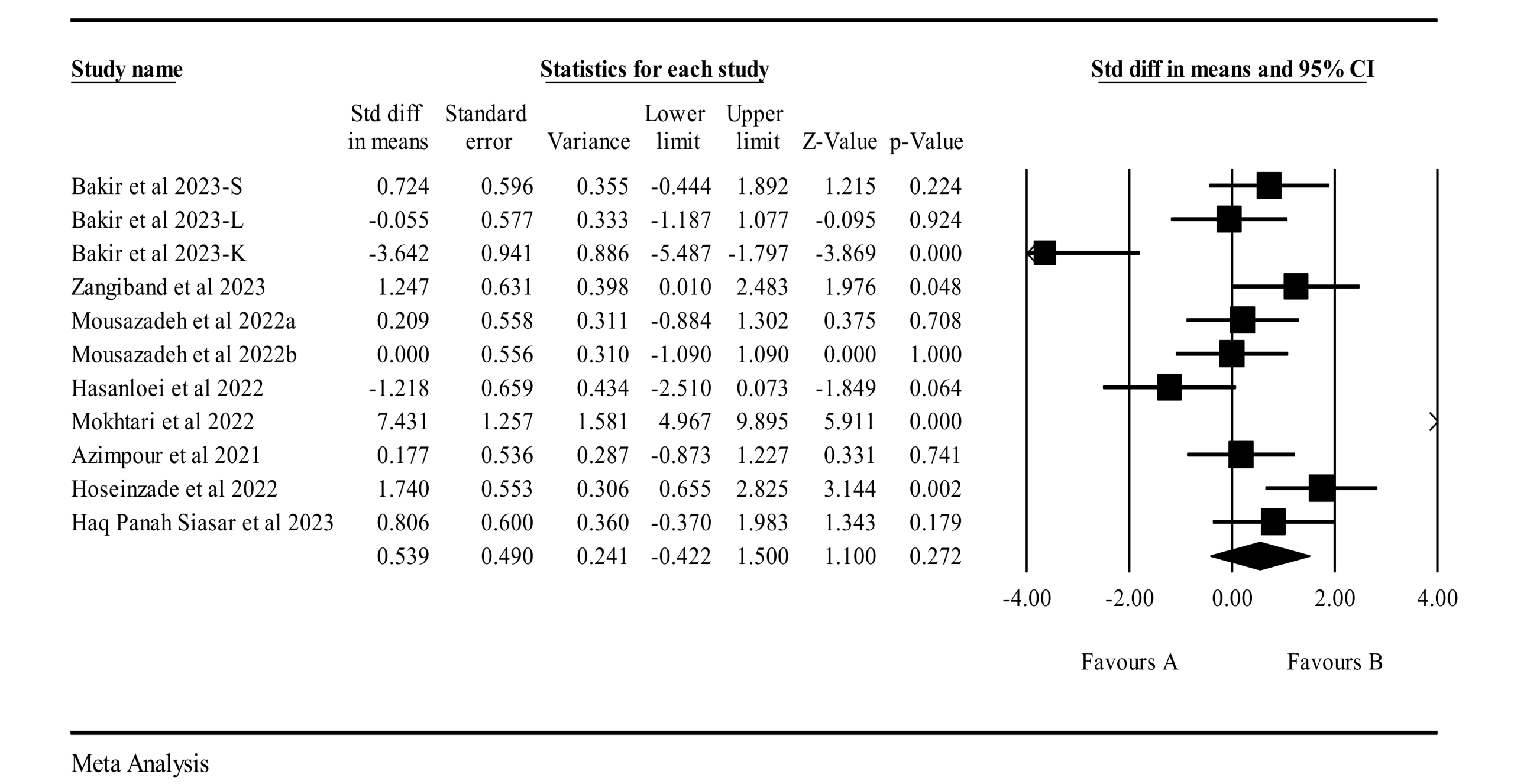
Figure 2. Forest plot for the combined effect of exercise and royal jelly on MDA.
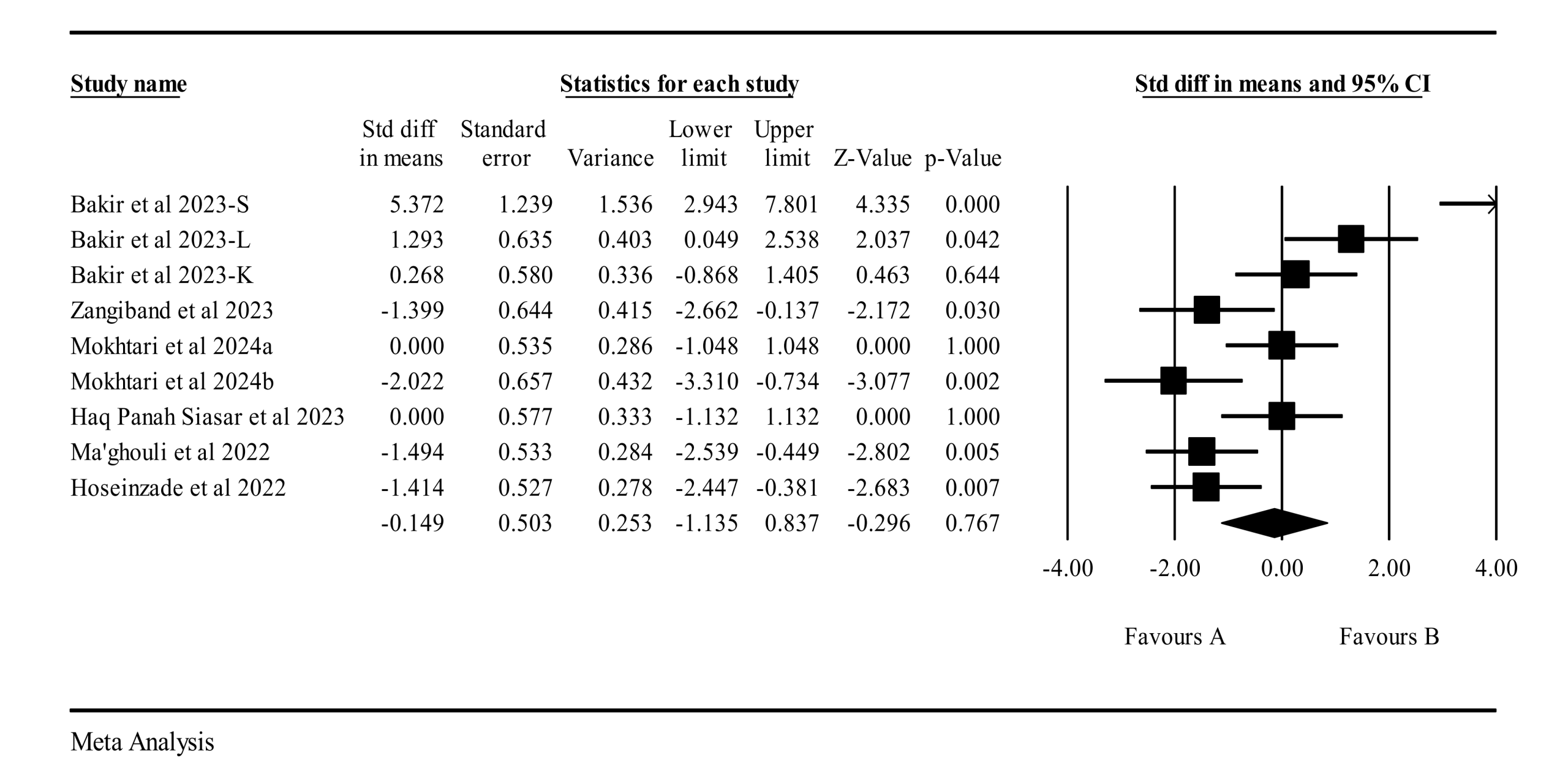
Figure 4. Forest plot for the combined effect of exercise and royal jelly on SOD.
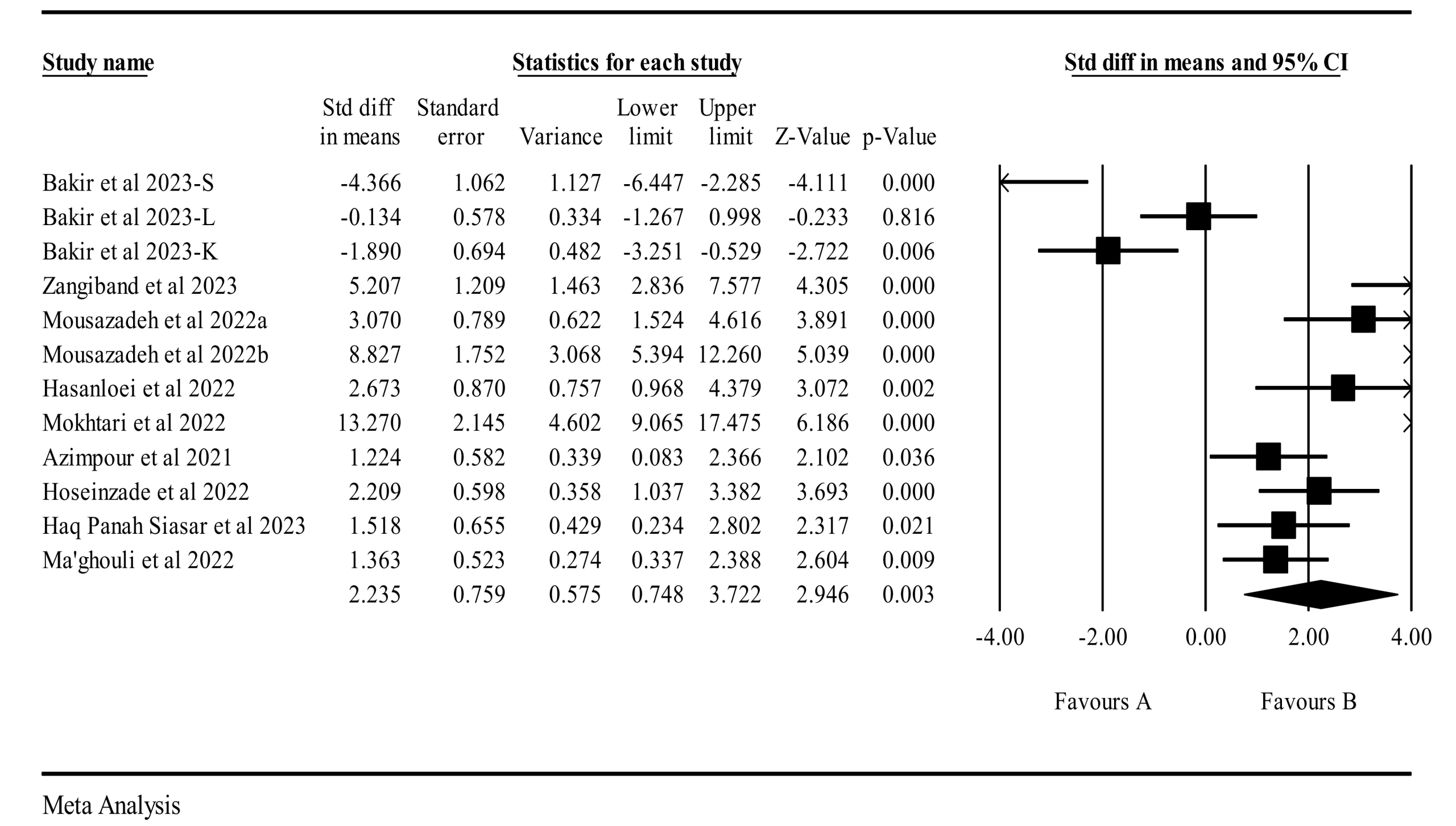
Figure 6. Forest plot for the combined effect of exercise and royal jelly on GPx.
Discussion
This systematic review and meta-analysis is the first study of its kind to quantitatively assess the combined and interactive effects of exercise and royal jelly supplementation on key oxidative stress markers and antioxidant defenses in animal models. The findings present a complex picture: the combined intervention significantly increased GPx activity, whereas no significant effect was observed on MDA levels or SOD activity. Thus, the synergy between exercise and royal jelly may not produce a generalized enhancement of the entire antioxidant system; rather, it may selectively target and strengthen glutathione-dependent antioxidant pathways.
The most important finding was the substantial increase in GPx activity (ES = 2.23, p = 0.003). GPx is a vital endogenous antioxidant enzyme that plays a central role in detoxifying hydrogen peroxide and lipid hydroperoxides, thereby protecting cells from oxidative damage. This increase suggests a strong positive adaptation in the second line of antioxidant defense. It is consistent with studies included in this meta-analysis. Hoseinzadeh and Magholi and their colleagues reported that combining aerobic training with royal jelly produced the greatest increases in GPx activity in cardiac and liver tissue, respectively, in obese rats. Zangiband and colleagues similarly observed that the combined intervention effectively increased GPx in diabetic ovariectomized rats. [5, 17, 19]
The mechanism underlying this increase may involve interactions between exercise-induced signaling and the bioactive compounds in royal jelly. Regular exercise induces controlled oxidative stress and activates key transcriptional pathways, including Nrf2, a major regulator of antioxidant gene expression, including GPx. Royal jelly, particularly its phenolic and flavonoid compounds, may also activate Nrf2 directly. Exercise and royal jelly may therefore act synergistically to enhance this signaling pathway and increase GPx transcription and synthesis. In addition, essential amino acids in royal jelly may serve as precursors for glutathione synthesis; glutathione is an essential cofactor for GPx activity. A sustained supply of these substrates, together with increased enzyme expression, may enhance the overall capacity of the glutathione system to counter oxidative stress. [12, 14, 15]
In contrast, the absence of significant changes in MDA (ES = −0.149, p = 0.767) and SOD (ES = −0.53, p = 0.27) may initially appear inconsistent with parts of the literature. MDA is a final product of lipid peroxidation and a key marker of oxidative damage; several primary studies included in this review reported significant reductions in MDA after the combined intervention. Similarly, SOD, which converts superoxide radicals into hydrogen peroxide, increased in many individual studies. The discrepancy between pooled and individual findings may be explained by substantial heterogeneity. The included studies used animal models with different conditions, including obesity, diabetes, ovariectomy, and Alzheimer’s disease. Each pathological condition has a distinct baseline level of oxidative stress and may respond differently to interventions. Obesity, for example, activates metabolic and inflammatory pathways, increases ROS production, and promotes oxidative stress. Increased adipose tissue may cause tissue hypoxia and greater secretion of pro-inflammatory adipokines, accelerating ROS production, activating oxidative-inflammatory signaling, impairing mitochondrial function, and increasing lipid peroxidation.
Oxidative stress in brain tissue is a characteristic pathophysiological feature of Alzheimer’s disease. Amyloid-beta accumulation and neurofibrillary abnormalities are associated with mitochondrial dysfunction, increased ROS production, and activation of oxidative pathways, all of which may impair neuronal function. Studies have also shown reduced antioxidant enzyme activity and increased lipid-peroxidation products such as MDA in Alzheimer’s disease. These changes reflect an imbalance between ROS production and antioxidant capacity and are associated with progressive neuronal injury. Redox imbalance can damage proteins and lipids and intensify a cycle of oxidative damage and neuroinflammation that contributes to cognitive decline. [3, 18, 22]
Exercise type, intensity, and training duration also differed across studies, although oxidative responses depend on exercise intensity, type, and workload. Acute, intense physical activity may increase oxidative stress, whereas regular long-term exercise may reduce it by strengthening antioxidant defenses. Royal jelly dose and the tissue examined are additional influential factors; different tissues have distinct metabolic characteristics and antioxidant defense systems.
Other physiological explanations may account for the neutral pooled results. The marked increase in GPx may have enhanced detoxification of hydroperoxides, which are precursors of MDA, sufficiently to prevent subsequent MDA formation. Thus, unchanged MDA levels may reflect effective suppression of oxidative stress at an earlier stage. The SOD response is more complex. SOD converts superoxide radicals into H₂O₂, which must then be neutralized by GPx or catalase. Under the combined intervention, the body may preferentially increase GPx rather than both enzymes simultaneously, thereby clearing H₂O₂ more efficiently and preventing its accumulation. This specialization of the antioxidant response may be an efficient mechanism for maintaining redox balance. Hasanloei and colleagues also reported reduced SOD together with increased GPx in the combined-intervention group, supporting this interpretation. [6]
Strengths and limitations
The main strength of this study is that it provides the first integrated quantitative estimate of the combined effects of exercise and royal jelly supplementation on oxidative and antioxidant indices. The comprehensive systematic search, methodological quality assessment, and use of standard meta-analytic methods strengthen the credibility of the findings. However, the study has important limitations. Heterogeneity among the primary studies is one limitation. Another is the exclusive focus on animal studies. Although animal models are valuable for understanding biological mechanisms, their findings cannot be directly generalized to humans without caution. Pharmacokinetic and pharmacodynamic differences in royal jelly supplementation are particularly relevant. Doses used in animal models are often high and expressed in milligrams per kilogram of body weight; conversion to human-equivalent doses may raise safety and feasibility concerns. Differences in absorption, metabolism, bioavailability, and gut microbiome composition may also affect the efficacy of royal jelly’s bioactive compounds in humans.
Conclusion
Overall, this systematic review and meta-analysis provides quantitative evidence that combining exercise training with royal jelly supplementation significantly increases the activity of the key antioxidant enzyme GPx in animal models. This finding suggests targeted antioxidant adaptation and strengthening of the glutathione-dependent defense system. The combined intervention may also prevent an increase in MDA, an indicator of oxidative stress. However, randomized clinical trials with rigorous designs, standardized dosing, control of confounding variables, and assessment of clinical outcomes are needed to confirm whether these findings can be generalized to humans.
Acknowledgments
The authors thank the researchers who provided data from their studies.
Ethical considerations
This article is a systematic review and meta-analysis and did not involve the use of human or animal samples.
Funding
This study was supported by Golestan University under approved research project No. 1789, dated 16/09/1404 (Persian calendar).
Authors’ contributions
The authors contributed equally to the conceptualization and writing of the article. All authors approved the manuscript and agreed on all aspects of the work.
Conflict of interest
The authors declared no conflict of interest.
References
- Pisoschi AM, Pop A, Iordache F, Stanca L, Predoi G, Serban AI. Oxidative stress mitigation by antioxidants-an overview on their chemistry and influences on health status. Eur J Med Chem. 2021;209:112891. doi: 10.1016/j.ejmech.2020.112891 pmid
- Sies H, Belousov V V, Chandel NS, Davies MJ, Jones DP, Mann GE, et al. Defining roles of specific reactive oxygen species (ROS) in cell biology and physiology. Nat Rev Mol cell Biol. 2022;23(7):499–515. doi: 10.1038/s41580-022-00456-z pmid
- Olufunmilayo EO, Gerke-Duncan MB, Holsinger RMD. Oxidative stress and antioxidants in neurodegenerative disorders. Antioxidants. 2023;12(2):517. doi: 10.3390/antiox12020517 pmid
- Kruk J, Aboul-Enein BH, Duchnik E, Marchlewicz M. Antioxidative properties of phenolic compounds and their effect on oxidative stress induced by severe physical exercise. J Physiol Sci. 2022;72(1):19. doi: 10.1186/s12576-022-00845-1 pmid
- Hoseinzade I, Abdi A, Abbassi Daloii A. Protective effect of aerobic training and royal jelly on oxidative stress in cardiomyocytes in obese rats. J Maz Univ Med Sci. 2022;31(206):30–42. Link
- Hasanloei A, Mohamadzadeh SK, Hosseini SA. Antioxidant effect of swimming training and royal jelly consumption in the hippocampus tissue of rats with Alzheimer’, s disease. Horm Med J2022;26(1):62-67. doi: 10.34172/hmj.2022.11.
- Sari AP, Rahmadhanti R, Car B, Pavlović R, Ndayisenga J, Prasetyo T, et al. Royal jelly potentially reduces oxidative stress and inflammation after physical activity: A systematic literarure review. South East Eur J Public Heal. 2025;26:1939–54. doi: 10.70135/seejph.vi.4048
- Bakır M, Bakır TÖ. The role of royal jelly on exhaustive exercise-induced oxidative stress. Türk Doğa ve Fen Derg. 2023;12(2):1–7. doi: 10.46810/tdfd.1205005
- Vale AF, Ferreira HH, Benetti EJ, Rebelo ACS, Figueiredo ACR, Barbosa EC, et al. Antioxidant effect of the pequi oil (Caryocar brasiliense) on the hepatic tissue of rats trained by exhaustive swimming exercises. Brazilian J Biol. 2018;79(2):257–62. doi: 10.1590/1519-6984.180015 pmid
- Radak Z, Ishihara K, Tekus E, Varga C, Posa A, Balogh L, et al. Exercise, oxidants, and antioxidants change the shape of the bell-shaped hormesis curve. Redox Biol. 2017;12:285–90. doi: 10.1016/j.redox.2017.02.015 pmid
- Pasdar Y, Tadibi V, Sadeghi E, Najafi F, Abbaspour M, Saber A, et al. Royal Jelly Supplementation Improves Endurance and Mitochondrial Biogenesis in Athletes: A Crossover Trial. Food Sci Nutr. 2025;13(7):e70497. doi: 10.1002/fsn3.70497 pmid
- Ahmad S, Campos MG, Fratini F, Altaye SZ, Li J. New insights into the biological and pharmaceutical properties of royal jelly. Int J Mol Sci. 2020;21(2):382. doi: 10.3390/ijms21020382 pmid
- Miryan M, Tadibi V, Sadeghi E, Najafi F, Saber A, Abbaspour M, et al. The effect of royal jelly in oxidative stress, athletic performance, and mitochondrial biogenesis-related gene expression in endurance athletes: study protocol for a double-blind crossover trial. Trials. 2025;26(1):69. doi: 10.1186/s13063-025-08780-3 pmid
- Honda Y, Araki Y, Hata T, Ichihara K, Ito M, Tanaka M, et al. 10‐Hydroxy‐2‐decenoic acid, the major lipid component of royal jelly, extends the lifespan of Caenorhabditis elegans through dietary restriction and target of rapamycin signaling. J Aging Res. 2015;2015(1):425261. doi: 10.1155/2015/425261 pmid
- Oršolić N, Jazvinšćak Jembrek M. Royal jelly: biological action and health benefits. Int J Mol Sci. 2024;25(11):6023. doi: 10.3390/ijms25116023 pmid
- Ghanbari E, Nejati V, Khazaei M. Improvement in serum biochemical alterations and oxidative stress of liver and pancreas following use of royal jelly in streptozotocin-induced diabetic rats. Cell J. 2016;18(3):362. doi: 10.22074/cellj.2016.4564 pmid
- Asadi N, Kheradmand A, Gholami M, Saidi SH, Mirhadi SA. Effect of royal jelly on testicular antioxidant enzymes activity, MDA level and spermatogenesis in rat experimental Varicocele model. Tissue Cell. 2019;57:70–7. doi: 10.1016/j.tice.2019.02.005 pmid
- Taheri S, Bahari H, Mirzavi F, Rahbarinejad P, Sajadi Hezaveh Z, Doostparast A, et al. Effects of royal jelly consumption on inflammation and oxidative stress: A systematic review and meta-analysis of randomized controlled trials. Avicenna J Phytomedicine. 2025;15(4):1264-1278. doi: 10.22038/ajp.2024.25139 pmid
- Zangiband B, Mohamadzadeh Salamat K, Azizbeigi K, Etemad Z. The effect of aerobic training with royal jelly consumption on antioxidant indices in aortic artery tissue of ovariectomized diabetic rats. Asian J Sports Med. 2024;15(2):e139979. doi: 10.5812/asjsm-139979
- Siasar BHP, Abedi B, Hosseini SA. The effect of eight weeks of endurance training with royal jelly consumption on oxidant-antioxidant markers of the left ventricle of orectomized rats with diabetes. J Nutr Fasting Heal. 2023;11(1):8-14. doi: 10.22038/jnfh.2023.69126.1412
- Magholi AA, Abdi A, Abbasi Daloii A. The effect of eight weeks of aerobic training and royal jelly on oxidative stress and liver tissue enzymes in obese rats. J Sport Biosci. 2022;14(2):29–42. doi: 10.22059/JSB.2022.332096.1491
- Ali AM, Kunugi H. Royal jelly as an intelligent anti-aging agent—A focus on cognitive aging and Alzheimer’s disease: A review. Antioxidants. 2020;9(10):937. doi:10.3390/antiox9100937 pmid
- Mokhtari L, Bagherpour T, Nemati N. The effect of eight weeks of resistance training with royal jelly on the pathophysiological changes in the hippocampal tissue of Alzheimer ’ s rats. J Physiol Mov Health. 2024;4(1):99-108. Link
- Kargaran Ardakani S, Motamedi P, Amani-Shalamzari S. The effect of oral royal jelly supplementation and exercise training on antioxidant defense-related parameters in healthy active girls. Jundishapur Sci Med J. 2025;24(2):141–52. doi: 10.32592/jsmj.24.2.141
- Azimpour M, Fathi M, Dezfoulian O. Effect of eight weeks of forced physical activity with royal jelly consumption on depression and anxiety levels and antioxidant capacity in trimethyltin-induced Alzheimer’s rats. J Appl Exerc Physiol. 2021;17(33):15–34. doi: 10.22080/jaep.2020.19373.1962
- Mokhtari L, Bagherpour T NN. The effect of eight weeks of resistaance training with royal jellly on the oxidative system of hippocampal tissue in rats with Alzheimer’s a disease. EBNESINA. 2022;24:4–16. doi: 10.22034/24.2.4
- Ma LL, Wang YY, Yang ZH, Huang D, Weng H, Zeng XT. Methodological quality (risk of bias) assessment tools for primary and secondary medical studies: what are they and which is better? Mil Med Res. 2020;7(1):7. doi: 10.1186/s40779-020-00238-8
- Mousazadeh H, Nemati N, Bagherpour T. The Interactive Effect of Running on Different Slopes with the Use of Royal Jelly on the Concentration of Some Antioxidants in an Animal Model of Trimethyltin-treated Alzheimer’, s. ISC. 2022;14(3):247-57 Link
- Ighodaro OM, Akinloye OA. First line defence antioxidants-superoxide dismutase (SOD), catalase (CAT) and glutathione peroxidase (GPX): Their fundamental role in the entire antioxidant defence grid. Alexandria J Med. 2018;54(4):287–93. doi: 10.1016/j.ajme.2017.09.001
- Grotto D, Maria LS, Valentini J, Paniz C, Schmitt G, Garcia SC, et al. Importance of the lipid peroxidation biomarkers and methodological aspects for malondialdehyde quantification. Quim Nova. 2009;32:169–74. doi: 10.1590/S0100-40422009000100032