

* Corresponding author: Mitra Noori, Department of Biology, Faculty of Sciences, Arak University, Arak, Iran. Address: Arak University, Faculty of Science. Phone Number: +98 8632627226
E-mail: m-noori@araku.ac.ir
Complement Med J. 2026;16(2):157–165 |
Received: May 9, 2026 | Accepted: July 28, 2026
Abstract
Introduction: Diabetic neuropathy is a common complication of diabetes and is associated with pain, sensory loss, and, in severe cases, amputation. This study investigated the effects of Neurobion (vitamins B1, B6, and B12) on blood glucose, pain-related responses, and memory indices in male mice with streptozotocin-induced diabetic neuropathy.
Materials and Methods: Twenty-one male mice were assigned to three groups (n=7): control, diabetic, and diabetic + Neurobion. Diabetes was induced using streptozotocin (100 mg/kg, intraperitoneally). The treatment group received Neurobion (2 mL/kg, subcutaneously) every three days for five weeks. Blood glucose, novel object recognition, elevated plus maze, and formalin tests were assessed.
Results: Neurobion did not significantly reduce blood glucose or improve recognition memory. Diabetic mice showed increased open-arm entries and time in the elevated plus maze compared with controls (p<0.01); Neurobion significantly reduced both measures compared with untreated diabetic mice (p<0.05). Diabetes reduced the formalin pain index (p<0.001), while Neurobion increased the pain index (p<0.001), without a significant effect on the latency to the first response.
Conclusion: Neurobion improved selected behavioral manifestations of diabetic neuropathy, including anxiety-related memory measures and pain-related responses, but did not affect glycemia or recognition memory. Further studies should examine different doses and combination treatment with established therapies.
Keywords: Type 1 diabetes; diabetic neuropathy; Neurobion; B vitamins; recognition memory; anxiety-related memory.
Introduction
Diabetes has become a global epidemic, and diabetic peripheral neuropathy (DPN) is one of its most common complications. Clinical manifestations include numbness, tingling, pain, and weakness, with symptoms varying according to the nerve fibers affected (1, 2). Sensory impairment commonly follows a stocking-and-glove distribution: the longest axons in the feet are affected first, followed by the hands, and sensory loss progresses from distal to proximal regions (3, 4). Neuropathy may initially cause heightened pain sensitivity and disability; as the disease progresses, sensory loss, poor wound healing, and infection can lead to limb lesions and, in severe cases, amputation (4). Although the precise cause of DPN remains incompletely understood, evidence implicates metabolic and physiological disturbances in the neural microenvironment, together with diabetes-related injury to nerves and the microvasculature supplying them (5). Chronic hyperglycemia also produces metabolic abnormalities that contribute to nerve damage (4).
Increased blood glucose promotes the generation of reactive oxygen species (ROS) and oxygen free radicals, resulting in oxidative stress (6, 7). Oxidative stress contributes to diabetic complications, including neuropathy. Impaired glucose metabolism may also reduce hippocampal volume and alter microvascular function, thereby affecting learning, neural pathways, and memory consolidation. Oxidative stress and advanced glycation end products can induce changes in brain tissue and promote cellular and tissue apoptosis (8, 9). Glycemic control is widely regarded as a key approach to reducing the risk or severity of neuropathy in both type 1 and type 2 diabetes (10). Nevertheless, DPN remains a clinical challenge because available treatments may be ineffective in some patients, lose efficacy over time, or cause adverse effects that limit tolerability (11).
B vitamins are water-soluble vitamins that act as cofactors in cellular metabolic pathways (11). They support neural tissue against environmental and metabolic insults: vitamin B1 has antioxidant functions, vitamin B6 helps regulate neural metabolism, and vitamin B12 supports myelin maintenance. Nerve injury may occur when protective mechanisms are outweighed by stressors and cumulative damaging factors (12). Adequate B-vitamin intake is required for cellular growth and nucleic-acid synthesis, and deficiencies of thiamine (B1), pyridoxine (B6), and cobalamin (B12) have been associated with neuropathy (11, 13, 14). Because of their important functions in the nervous system, these vitamins are also described as neurotropic vitamins (12). Vitamin B12 may enhance noradrenergic and serotonergic descending inhibitory pain pathways and contributes to sensory transmission; deficiency may be associated with diabetic neuropathy (13).
High doses of methylcobalamin have been associated with increased motor nerve-fiber regeneration, suggesting a potential role in modifying underlying neuropathic pathology; vitamin B12 and its coenzymes are used for pain treatment in some countries (13). Vitamin B6 occurs naturally as pyridoxine, pyridoxal, and pyridoxamine (14). It serves as a cofactor in approximately 150 reactions involving glucose, lipid, and amino-acid metabolism, DNA, and neurotransmitters. It may also exert antioxidant effects by counteracting ROS and advanced glycation end-product formation (15). Pyridoxine, like cobalamin and folate, contributes to the conversion of methionine to cysteine and is important for neuronal function and survival. Both low and excessive B6 intake have been considered potential risk factors for peripheral neuropathy (14). Epidemiological findings have linked vitamin B6 status with diabetes and suggest a protective association with diabetic complications (15).
Vitamin B1 (thiamine) is a coenzyme in carbohydrate metabolism and supports the energy requirements of nerve fibers. Thiamine pyrophosphate is required for the entry of pyruvate into oxidative energy metabolism and subsequent ATP production. Studies also indicate that thiamine can act as a local antioxidant and protect nerves against oxidative injury (12). Given the complementary roles of thiamine, pyridoxine, and cobalamin in maintaining neuronal viability, this study examined the effects of Neurobion administration on pain and memory indices in male mice with streptozotocin-induced (type 1) diabetic neuropathy.
Materials and Methods
Animals and diabetes induction: Twenty-one young adult male mice, 9–10 weeks old and weighing 25–30 g, were obtained from Arak University. Animals were housed in the animal facility of Arak University of Medical Sciences under controlled conditions (22 ± 2°C; 12-hour light/dark cycle), with free access to food and water. After two weeks of acclimatization, streptozotocin (STZ; Sigma, USA) was administered to 14 mice, while seven served as controls. STZ was dissolved in saline and injected intraperitoneally at 100 mg/kg. Seventy-two hours after injection, blood was collected from the tail vein and glucose was measured using a glucometer. Animals with glucose levels above 200 mg/dL were considered diabetic; a supplementary STZ dose was administered when the threshold was not reached. The diabetic animals were then randomly divided into untreated diabetic and Neurobion-treated groups (n=7 each). Neuropathy was allowed to develop during one month of chronic hyperglycemia.
Neurobion treatment: The treatment group received Neurobion at 2 mL/kg by subcutaneous injection in the back, once every three days for five weeks. According to the reported formulation, each milliliter contained 33.3 mg vitamin B1, 33.3 mg vitamin B6, and 0.333 mg vitamin B12. The control group received saline. Blood glucose was measured every two weeks during the treatment period.
Novel object recognition test: The novel object recognition (NOR) test evaluates learning and memory in rodents using their innate exploratory behavior, without external rewards or punishment. Testing was performed in a cleanable open-field box measuring 50 × 50 × 50 cm. The protocol included habituation, training, and testing. During habituation, each mouse freely explored the empty box for 10 minutes and was then returned to its home cage. Twenty-four hours later, two identical, non-movable objects were placed symmetrically near opposite corners, 10 cm from the walls. The mouse explored the objects for 10 minutes during training. To limit forced exploration, the animal was placed near the wall opposite the objects. After another 24 hours, one familiar object was replaced with a visually different novel object, and exploratory behavior was recorded. Exploration was defined as interaction with an object or investigation with the nose within 1 cm. The recognition index (RI) was calculated as the time spent exploring the novel object divided by the total exploration time for the novel and familiar objects. Objects and the apparatus were cleaned with 70% alcohol after each trial to remove olfactory cues. Behavior was recorded using a camera mounted above the box (18).
Elevated plus maze: The elevated plus maze (EPM) uses rodents’ natural aversion to open, elevated spaces to assess exploratory behavior and memory-related performance. The plus-shaped maze was elevated 50 cm above the floor. It consisted of two open arms (50 × 10 cm) without side or end walls and two closed arms (50 × 10 × 40 cm) with side and end walls but no roof; a 10 × 10 cm central platform connected the arms. Each mouse was placed individually in the center, facing an open arm, and allowed to explore for five minutes. An entry was counted when all four paws crossed into an arm. The number of entries into open and closed arms and the time spent in each type of arm were recorded. The two outcome measures were the proportion of open-arm entries relative to total arm entries and the percentage of time spent in open arms relative to total time in open and closed arms. The maze was cleaned with alcohol between animals (19).
Formalin test: The formalin test is widely used in pain research and produces two phases of nociceptive behavior that share features with clinical pain. Immediately after injection, animals may lick, bite, lift, or shake the injected paw (20). Mice were acclimatized to the testing room for approximately 30 minutes. Formalin (20 μL, 1.85%; Sigma, UK) was injected subcutaneously into the right hind paw. Each animal was immediately placed in a transparent Plexiglas observation chamber (40 × 30 × 30 cm), with three opaque walls and one transparent wall. Behavior was video-recorded, and pain-related responses and latency to the first response were evaluated.
Statistical analysis: Data were analyzed using GraphPad Prism. Normality was assessed with the Shapiro–Wilk test. Group comparisons were performed using one-way analysis of variance (ANOVA), followed by Tukey’s post hoc test. Data were expressed as mean ± standard error of the mean (SEM), and p<0.05 was considered statistically significant.
Ethical considerations: All procedures were approved by the Ethics Committee of Arak University of Medical Sciences (approval No. IR.ARAKMU.AEC.1404.011).
Results
Blood glucose was measured every two weeks. One-way ANOVA indicated that subcutaneous Neurobion administration did not reduce blood glucose; levels remained broadly stable during the experiment. Thus, Neurobion alone did not produce a detectable glucose-lowering effect in diabetic mice.
In the NOR test, the recognition index did not differ significantly between the diabetic or diabetic + Neurobion groups and the control group (p>0.05). These findings indicate that Neurobion did not significantly affect recognition memory under the conditions of this study.
In the EPM test, diabetic mice showed significant increases in the number of open-arm entries and the percentage of time spent in open arms compared with controls (p<0.01), consistent with altered anxiety-related memory performance. Neurobion significantly reduced both measures compared with the untreated diabetic group (p<0.05), suggesting partial improvement in this behavioral outcome.
In the formalin test, the diabetic group showed significant reductions in the pain index and latency-related response measure compared with controls (p<0.001). Neurobion significantly increased the pain index (p<0.001), indicating attenuation of diabetes-associated hypoalgesia. However, it did not significantly affect the latency to the first pain response.
Figures
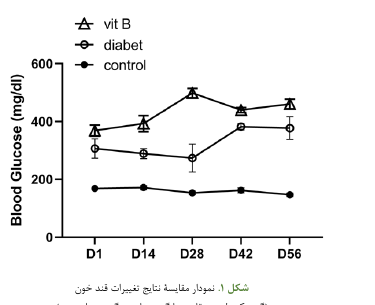
Figure 1. Changes in blood glucose in the control, diabetic, and diabetic + Neurobion groups.
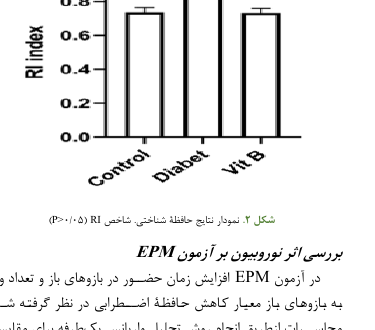
Figure 2. Recognition index in the novel object recognition test; no significant between-group difference was observed (p>0.05).
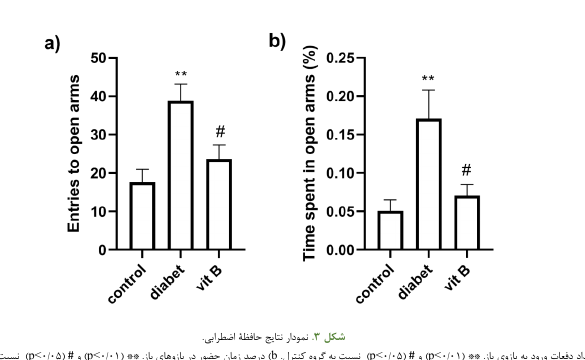
Figure 3. Anxiety-related memory indices in the elevated plus maze: (A) open-arm entry ratio and (B) percentage of time spent in open arms. **p<0.01 and #p<0.05, as indicated in the source figure.
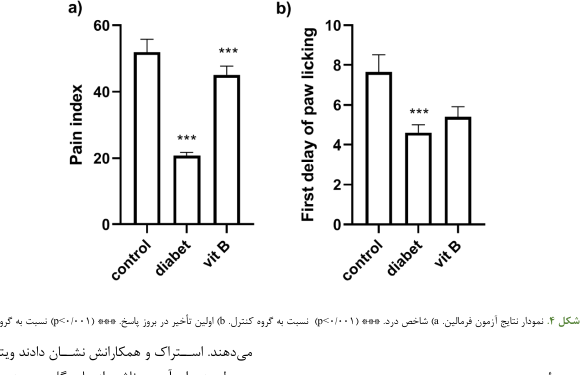
Figure 4. Formalin test outcomes: (A) pain index and (B) latency to the first pain response. ***p<0.001, as indicated in the source figure.
Discussion
This study examined whether Neurobion alters blood glucose, pain-related behavior, and memory indices in male mice with STZ-induced diabetic neuropathy. Neurobion did not lower blood glucose or improve recognition memory, but it improved the EPM measures and increased the formalin pain index. These findings suggest that the observed behavioral effects were not mediated by a reduction in glycemia.
Animal studies support a role for neurotropic B vitamins in nerve repair. Stracke and colleagues reported that benfotiamine or thiamine protected peripheral nerves against hyperglycemia-related injury in diabetic rats, particularly when treatment was initiated early. After three months, nerve conduction velocity was higher in treated diabetic animals than in untreated diabetic controls, an effect associated with reduced formation of glycation products (21). Song and colleagues also found that thiamine reduced thermal hyperalgesia, neuronal hyperexcitability, and alterations in sodium currents in injured dorsal root ganglion neurons, supporting a neuroprotective effect (22).
Pyridoxine (vitamin B6) is essential for amino-acid metabolism and for the synthesis and regulation of neurotransmitters, including GABA and serotonin. It is involved in glutamatergic signaling and may inhibit glutamate release by suppressing voltage-dependent presynaptic calcium entry and protein kinase C activity (23). By supporting GABA synthesis, B6 may also balance excitatory glutamatergic neuronal activity (24). It is additionally required for sphingolipid synthesis, an important component of myelin (25).
Evidence also supports a role for vitamin B12 (cobalamin) in neural repair. Experimental studies have reported increased myelin formation and reduced Wallerian degeneration following B12 treatment, consistent with neuroprotective actions (26, 27). Cobalamin is required for the folate-dependent methionine cycle. Inadequate B12 can impair the production of proteins such as myelin basic protein and lead to homocysteine accumulation, potentially increasing oxidative stress and tissue injury (26, 27). Endoplasmic-reticulum stress may also contribute to neuronal injury, particularly in the setting of inflammation (28, 29).
Vitamin B12 deficiency can result from strict vegetarian diets, gastrointestinal malabsorption, digestive disorders, or medication use and may cause subacute combined degeneration. This myelopathy can present with paresthesia, tingling in the hands and feet, loss of position and vibration sense, and progressive spastic or ataxic limb weakness. Optic nerve atrophy and cognitive or behavioral symptoms may occur in advanced cases. Diagnosis may be supported by macrocytic red blood cells, low serum B12, elevated methylmalonic acid, and hyperhomocysteinemia (31).
Elevated circulating homocysteine has been reported in neurodegenerative disorders and Alzheimer-related dementia. One study found that combined folate and vitamin B12 supplementation reduced hyperhomocysteinemia-associated excess beta-amyloid production and memory impairment, suggesting a potential relationship between B-vitamin status and cognitive function (32).
Moderate dietary intake of B vitamins or supplementation has long been used to support neurological health. However, excessive intake of some B-vitamin supplements may also have adverse effects on nervous-system development and function. In the present study, the administered Neurobion dose corresponded to approximately 33.3 mg of B1, 33.3 mg of B6, and 0.333 mg of B12 per milliliter. At the tested regimen, treatment did not improve glycemia or recognition memory, but it improved the EPM-related measure and pain index. The results should be interpreted in light of the small sample size, the use of a single dose, and the behavioral nature of the outcome measures.
Conclusion
B vitamins contribute to neural regeneration and neurological function. The present findings indicate that Neurobion may improve selected behavioral manifestations of STZ-induced diabetic neuropathy, including anxiety-related memory performance and pain-related responses, without lowering blood glucose or improving recognition memory. Because vitamin B12 deficiency is a treatable cause of myelopathy and sensory dysfunction, early identification and correction are important. Further studies should evaluate different Neurobion doses and its use alongside established therapies for diabetic neuropathy.
Acknowledgments
The study was conducted in collaboration with Arak University. The authors thank all individuals who provided assistance during the research.
Authors’ Contributions
All authors contributed to the design of the study.
Conflict of Interest
The authors declared no personal financial benefit or conflict of interest related to publication of this article.
Funding
The study was supported by Arak University of Medical Sciences, Arak, Iran.
References
- Khan S, Ahmad S, Khan M, Lohani M, Khan MS, Haneef M. Diabetic peripheral neuropathy: navigating controversies and pioneering advances. Advanc Life Sci. 2025;12(1):01-12. doi: 10.62940/als.v12i1.3627
- Castelli G, Desai KM, Cantone RE. Peripheral neuropathy: evaluation and differential diagnosis. Ame fam physician. 2020;102(12):732-9. pmid
- Yaşar H, Çifci A. Current approach to diabetic polyneuropathy: current diagnosis and treatment. Int J Internal Med. 2023;1(3):66-70. doi: 10.51271/ICJIM-0014
- O'Brien PD, Sakowski SA, Feldman EL. Mouse models of diabetic neuropathy. ILAR J. 2014;54(3):259-72. doi: 10.1093/ilar/ilt052 pmid
- Gonçalves NP, Vægter CB, Andersen H, Østergaard L, Calcutt NA, Jensen TS. Schwann cell interactions with axons and microvessels in diabetic neuropathy. Nat Rev Neurol. 2017;13(3):135-47. doi: 10.1038/nrneurol.2016.201 pmid
- Newsholme P, Cruzat VF, Keane KN, Carlessi R, de Bittencourt Jr PIH. Molecular mechanisms of ROS production and oxidative stress in diabetes. Biochem J. 2016;473(24):4527-50. doi: 10.1042/BCJ20160503C pmid
- Furukawa S, Fujita T, Shimabukuro M, Iwaki M, Yamada Y, Nakajima Y, et al. Increased oxidative stress in obesity and its impact on metabolic syndrome. J clin invest. 2017;114(12):1752-61. doi: 10.1172/JCI21625 pmid
- Noor A, Zahid S. Alterations in adult hippocampal neurogenesis, aberrant protein s-nitrosylation, and associated spatial memory loss in streptozotocin-induced diabetes mellitus type 2 mice. Iran J Basic Med Sci. 2017;20(10):1159. doi: 10.22038/IJBMS.2017.9366 pmid
- Nowotny K, Jung T, Höhn A, Weber D, Grune T. Advanced glycation end products and oxidative stress in type 2 diabetes mellitus. Biomolecules. 2015;5(1):194-222. doi: 10.3390/biom5010194 pmid
- Calcutt NA. Diabetic neuropathy and neuropathic pain: a (con) fusion of pathogenic mechanisms? Pain. 2020;161:S65-86. doi: 10.1097/j.pain.0000000000001922 pmid
- Karaganis S, Song XJ. B vitamins as a treatment for diabetic pain and neuropathy. J Clin Pharm Ther. 2021;46(5):1199-212. doi: 10.1111/jcpt.13375 pmid
- Baltrusch S. The role of neurotropic B vitamins in nerve regeneration. BioMed Res Int. 2021;2021(1):9968228. doi: 10.1155/2021/9968228 pmid
- Jayabalan B, Low LL. Vitamin B supplementation for diabetic peripheral neuropathy. Singapore Med J. 2016;57(2):55. doi: 10.11622/smedj.2016027 pmid
- Muhamad R, Akrivaki A, Papagiannopoulou G, Zavridis P, Zis P. The role of vitamin B6 in peripheral neuropathy: a systematic review. Nutrients. 2023;15(13):2823. doi: 10.3390/nu15132823 pmid
- Mascolo E, Vernì F. Vitamin B6 and diabetes: relationship and molecular mechanisms. Int J Mol Sci. 2020;21(10):3669. doi: 10.3390/ijms21103669 pmid
- Ito M, Kondo Y, Nakatani A, Hayashi K, Naruse A. Characterization of low dose streptozotocin-induced progressive diabetes in mice. Env Tox Pharmacol. 2001;9(3):71-8. doi: 10.1016/s1382-6689(00)00064-8 pmid
- Dimpfel W, Spüler M, Bonke D. Influence of repeated vitamin B administration on the frequency pattern analysed from rat brain electrical activity (Tele-Stereo-EEG). Klinische Wochenschrift. 1990;68(2):136-41 doi: 10.1007/BF01646862 pmid
- Lueptow LM. Novel object recognition test for the investigation of learning and memory in mice. J Vis Exp. 2017(126):55718 doi: 10.3791/55718 pmid
- Pellow S, File SE. Anxiolytic and anxiogenic drug effects on exploratory activity in an elevated plus-maze: a novel test of anxiety in the rat. Pharmacol Biochem Behav. 1986;24(3):525-9. doi: 10.1016/0091-3057(86)90552-6 pmid
- Lopes DM, Cater HL, Thakur M, Wells S, McMahon SB. A refinement to the formalin test in mice. F1000Res. 2019;8:891. doi: 10.12688/f1000research.18338.2 pmid
- Stracke H, Hammes H, Werkmann D, Mavrakis K, Bitsch I, Netzel M, et al. Efficacy of benfotiamine versus thiamine on function and glycation products of peripheral nerves in diabetic rats. Exp Clin Endocrinol Diabetes. 2001;109(06):330-6. doi: 10.1055/s-2001-17399 pmid
- Song X-S, Huang Z-J, Song X-J. Thiamine suppresses thermal hyperalgesia, inhibits hyperexcitability, and lessens alterations of sodium currents in injured, dorsal root ganglion neurons in rats. Anesthesiology. 2009;110(2):387-400. doi: 10.1097/ALN.0b013e3181942f1e pmid
- Yang T-T, Wang S-J. Pyridoxine inhibits depolarization-evoked glutamate release in nerve terminals from rat cerebral cortex: a possible neuroprotective mechanism? Journal Pharmacol Exp Ther. 2009;331(1):244-54. doi: 10.1124/jpet.109.155176. Epub 2009 Jul 23 pmid
- Dakshinamurti K, Dakshinamurti S, Czubryt M. Vitamin B6: effects of deficiency, and metabolic and therapeutic functions. Handbook Fam Star Nut Dep. 2017:1-23. doi: 10.1007/978-3-319-40007-5_81-1
- Combs Jr GF, McClung JP. The vitamins: fundamental aspects in nutrition and health: Academic press. 2016. doi: 10.1016/C2020-0-03233-0
- Liao W-C, Chen J-R, Wang Y-J, Tseng G-F. Methylcobalamin, but not methylprednisolone or pleiotrophin, accelerates the recovery of rat biceps after ulnar to musculocutaneous nerve transfer. Neuroscience. 2010;171(3):934-49. doi: 10.1016/j.neuroscience.2010.09.036 pmid
- Tamaddonfard E, Farshid A, Samadi F, Eghdami K. Effect of vitamin B12 on functional recovery and histopathologic changes of tibial nerve-crushed rats. Drug Res. 2014;64(09):470-5. doi: 10.1055/s-0033-1363219 pmid
- Wu F, Xu K, Liu L, Zhang K, Xia L, Zhang M, et al. Vitamin B12 enhances nerve repair and improves functional recovery after traumatic brain injury by inhibiting ER stress-induced neuron injury. Front Pharmacol. 2019;10:437087. doi: 10.3389/fphar.2019.00406 pmid
- Nouri A, Patel K, Montejo J, Nasser R, Gimbel DA, Sciubba DM, et al. The role of vitamin B12 in the management and optimization of treatment in patients with degenerative cervical myelopathy. Global Spine J. 2019;9(3):331-7. doi: 10.1177/2192568218758633 pmid
- Yuan Y, Shen H, Yao J, Hu N, Ding F, Gu X. The protective effects of achyranthes bidentata polypeptides in an experimental model of mouse sciatic nerve crush injury. Brain Res Bull. 2010;81(1):25-32. doi: 10.1016/j.brainresbull.2009.07.013 pmid
- Loscalzo J, Fauci A, Kasper D, Hauser S, Longo D, Jameson J. Harrison's principles of internal medicine. 2022. McGaw Hill. 2022. Link
- Nassiri-Asl M, Sarookhani M-R, Abbasi E, Zangivand A-A, Shakiba E, Sedighi A, et al. The effects of pre-treatment with vitamin B6 on memory retrieval in rats. Food Chem. 2012;132(2):1046-8. doi:10.1016/j.foodchem.2011.11.095