
Complementary Medicine Journal. 2026;15(4):301–310
Department of Physical Education and Sport Sciences, Qaemshahr Branch, Islamic Azad University, Qaemshahr, Iran
Corresponding author: Amir Taghipour — amir.taghipoor@iau.ac.ir
Received: 12 July 2025 | Accepted: 30 January 2026
How to Cite This Article
Janbarari FZ, Taghipour A, Farajtabar Behrestaq S, Mousavi Amin M. Protective Effect of Interval Training Combined with Resveratrol Consumption on Hippocampal γ- and β-Secretase Expression in Alzheimer's Rats with Beta Amyloid. Complement MedJ. 2026;15(4):301–310. DOI: 10.22034/cmja.15.4.301
Abstract
Introduction and Objective
Alzheimer’s disease (AD) is a progressive neurodegenerative disorder characterized by cognitive and memory impairment and abnormal accumulation of amyloid-beta (Aβ), particularly in the hippocampus. (2) These accumulations can damage neuronal function and contribute to cognitive and behavioral symptoms of the disease. (3) These changes are also associated with memory loss observed in aging, ischemia, and AD. (4) Accumulation of Aβ in the brain is a major hallmark of sporadic and familial forms of AD. (5) Aβ is generated from amyloid precursor protein (APP) through sequential cleavage by beta-site amyloid precursor protein cleaving enzyme 1 (BACE1; β-secretase) and γ-secretase. γ-secretase is a membrane-embedded complex composed of at least four proteins, including presenilin-1 (PS1), nicastrin, anterior pharyngeal defect, and presenilin enhancer 2; cleavage of APP and other transmembrane proteins by this complex releases biologically active peptide fragments. (9) β-secretase (BACE1) initiates Aβ production and therefore has an important early role in the pathogenesis of AD. (10)
Physical exercise is associated with neuroprotection and is considered a potentially protective and therapeutic strategy for cognitive and neurological disorders because of effects on neuronal survival, neuroinflammation, vascularization, and brain amyloid burden. (12) Epidemiological findings suggest that regular exercise may reduce cognitive decline and delay disease progression in AD and other memory disorders. (13) Exercise may also enhance synaptic plasticity and stimulate hippocampal neurogenesis. (14) Improvements in learning and memory may further be related to metabolic changes and regulation of pathways such as IGF1 and BDNF. (15) BDNF has an important role in adaptive neural responses to exercise, including neurogenesis, synapse formation, learning, memory, and resistance to neural stress. (16) Current AD treatments generally provide limited and transient symptomatic benefits, which has increased interest in complementary strategies. (17) Resveratrol (RSV) is a natural polyphenol with antioxidant, anti-inflammatory, cardiovascular-protective, and neuroprotective properties. (18) Previous studies have reported that RSV can modulate Aβ toxicity or increase Aβ clearance in animal models of AD. (19) Combined exercise and polyphenol approaches have also been proposed as potentially complementary strategies. (20)
Evidence from in vitro and in vivo AD models suggests that RSV may have preventive and therapeutic potential. (21) RSV has been reported to reduce Aβ-induced cytotoxicity and apoptosis in PC12 cells. (22) It may also inhibit Aβ-induced neuronal apoptosis through SIRT1/ROCK1 signaling. (23) In animal models, RSV has been associated with reduced microglial activation and anti-inflammatory effects. (24) Aβ accumulation itself can induce cytotoxicity, apoptosis, and astrocyte activation in cellular and animal models. (25) Therefore, this study investigated the protective effect of interval training combined with RSV consumption on hippocampal γ-secretase and β-secretase expression in Aβ-induced Alzheimer’s rats.
Materials and Methods
This experimental animal study included 35 eight-week-old male Wistar rats with a mean body weight of 223.17 ± 9.08 g. After one week of environmental adaptation, the animals were randomly allocated to five groups: normal control (NO), Alzheimer (AD), Alzheimer-training (ADT), Alzheimer-resveratrol (ADRSV), and Alzheimer-training-resveratrol (ADTRSV). AD was induced by stereotaxic injection of Aβ1-42 into the hippocampal CA1 region.
The intervention model and allocation of animals were based on the procedures described in the source literature. (26) The Aβ-induced model and related experimental procedures were also informed by the referenced animal-model methodology. (27)
For the exercise intervention, rats performed interval treadmill running for eight weeks, five days per week. Training intensity progressed from 30–40 m/min during week 1 to 40–50 m/min in week 2, 50–55 m/min in week 3, and 60 m/min from weeks 4–8. Each session consisted of ten 30-second running repetitions on a level treadmill separated by 2.5-minute recovery periods. (29) RSV was administered orally by gavage at 20 mg/kg body weight each morning for eight weeks; control animals received an equivalent volume of saline. (30)
After completion of the intervention, animals were sacrificed 48 hours after the final training session following a 12–14-hour fast. Hippocampal tissue was collected, preserved in RNA later, transferred to liquid nitrogen, and stored at −80°C. Total RNA was extracted and converted to complementary DNA. Gene expression was assessed using real-time PCR with SYBR Green, and relative expression was evaluated using the comparative cycle-threshold method. Normality was assessed with the Shapiro–Wilk test. Differences among groups were analyzed using one-way ANOVA followed by Tukey’s post hoc test in SPSS version 26, with statistical significance set at p ≤ 0.05.
Findings
The analysis demonstrated significant differences among the five groups in hippocampal γ-secretase gene expression (F = 18.740, p = 0.0001) and β-secretase gene expression (F = 16.811, p = 0.0001). For γ-secretase, expression was significantly higher in the AD (p = 0.0001), ADT (p = 0.002), and ADRSV (p = 0.0001) groups than in the normal control group. Compared with the AD group, γ-secretase expression was significantly lower in the ADT group (p = 0.024) and the ADTRSV group (p = 0.0001). The combined intervention also produced significantly lower γ-secretase expression than either interval training alone (p = 0.029) or RSV alone (p = 0.001).
A similar pattern was observed for β-secretase. Expression was significantly increased in the AD (p = 0.0001), ADT (p = 0.001), and ADRSV (p = 0.0001) groups compared with the normal control group. Relative to the AD group, β-secretase expression was significantly reduced in the ADT (p = 0.036) and ADTRSV (p = 0.0001) groups. The combined intervention also resulted in significantly lower β-secretase expression than interval training alone (p = 0.047) and RSV alone (p = 0.021). Overall, Aβ-induced AD was associated with increased hippocampal expression of both secretases, whereas interval training significantly attenuated this response. RSV administered alone did not produce a statistically significant reduction in either enzyme, while the combined intervention showed the most pronounced reductions.
Discussion
The findings indicate that interval training can attenuate the increased hippocampal expression of β-secretase and γ-secretase associated with Aβ-induced AD. (31) Because these enzymes participate in amyloidogenic processing of APP, their reduced expression may represent one pathway through which exercise could limit Aβ-related pathological processes. (32) Exercise has been reported to influence learning, hippocampal neurogenesis, and related neuroprotective mechanisms. (33) Treadmill exercise has also been associated with improved memory and reduced Alzheimer-related molecular changes in animal models. (34)
Exercise may enhance endogenous antioxidant defenses and reduce oxidative stress, which is relevant because oxidative stress can promote BACE1 expression. (35) It may also modulate inflammatory signaling and neuroinflammatory activity. (36) Additional evidence suggests that exercise can affect hippocampal microglial activation and neuroinflammation. (37) Improvements in metabolic function, including pathways associated with insulin resistance, may further influence secretase-related mechanisms. (38) Molecular pathways involving PI3K/Akt, GSK3β, AMPK, BDNF, and related metabolic and neuroprotective signaling may contribute to these effects. (39) (45) (46)
In contrast, RSV alone did not significantly alter β- or γ-secretase expression at the dose and duration used in this study. The authors suggest that this finding may relate to dose, treatment duration, administration route, or limited bioavailability. (40) (41) (43) Preclinical studies have reported potentially beneficial effects of RSV on Alzheimer-related pathways, although responses can depend on experimental conditions. (42) RSV may therefore exert neuroprotective effects through antioxidant, anti-inflammatory, SIRT1-related, or cellular signaling mechanisms rather than direct suppression of secretase expression. (44)
The greater reduction observed with combined exercise and RSV suggests that concurrent interventions may influence overlapping pathways related to oxidative stress, inflammation, energy metabolism, and neuroprotection. (45) These pathways may involve BDNF and exercise-mediated neurogenesis and neuroplasticity. (46) Neuroinflammation and microglial activity are also relevant to AD-related molecular changes. (47) Nevertheless, the findings arise from an experimental animal model and should not be directly generalized to clinical treatment of human AD. (48) Further studies should examine additional AD-related biomarkers and mechanisms and determine whether different RSV doses, treatment durations, or delivery approaches produce different responses.
Conclusion
Aβ-induced Alzheimer-like pathology increased hippocampal β-secretase and γ-secretase gene expression in male Wistar rats. Eight weeks of interval treadmill training significantly reduced the expression of both enzymes, whereas RSV administered alone at 20 mg/kg did not produce a significant effect. The combination of interval training and RSV produced the most consistent reductions and was significantly more effective than either intervention alone in several group comparisons. These findings support the potential of structured interval exercise, particularly when combined with appropriate adjunctive strategies, as a non-invasive approach that may influence molecular pathways involved in AD-related amyloidogenic processing. However, the results are preclinical, and confirmation through further experimental studies and well-designed human clinical research is necessary.
Tables
Table 1. Interval Training Protocol
Parameter | Week 1 | Week 2 | Week 3 | Weeks 4–8 |
|---|---|---|---|---|
Intensity (m/min) | 30–40 | 40–50 | 50–55 | 60 |
Repetitions | 10 × 30 s | 10 × 30 s | 10 × 30 s | 10 × 30 s |
Recovery (min) | 2.5 | 2.5 | 2.5 | 2.5 |
Table 2. Primer Sequences
Gene | Forward primer | Reverse primer |
|---|---|---|
γ-secretase | 5′-AGGCTGCACTGTGTCTCTGA-3′ | 5′-ACAGGTCACCAAAGGAGCTG-3′ |
β-secretase | 5′-TTTGGGCTTTCTTTTGCCTT-3′ | 5′-CCTTCTGGAGTCCAGGAAGG-3′ |
GAPDH | 5′-AGAAGGCTGGAGAAGATGAGG-3′ | 5′-TTGGTGCCTCGTGTCTTCTGT-3′ |
Table 3. Shapiro–Wilk Normality Test
Variable | N | Shapiro–Wilk | Sig. |
|---|---|---|---|
γ-secretase (ng/mL) | 35 | 0.951 | 0.123 |
β-secretase (ng/mL) | 35 | 0.121 | 0.200 |
Table 4. One-Way ANOVA Results
Variable | Source | SS | df | MS | F | p |
|---|---|---|---|---|---|---|
γ-secretase (ng/mL) | Between groups | 1.986 | 4 | 0.496 | 18.780 | 0.0001 |
γ-secretase (ng/mL) | Within groups | 0.795 | 30 | 0.026 | ||
γ-secretase (ng/mL) | Total | 2.780 | 34 | |||
β-secretase (ng/mL) | Between groups | 2.370 | 4 | 0.593 | 16.811 | 0.0001 |
β-secretase (ng/mL) | Within groups | 1.058 | 30 | 0.035 | ||
β-secretase (ng/mL) | Total | 3.428 | 34 |
Figures
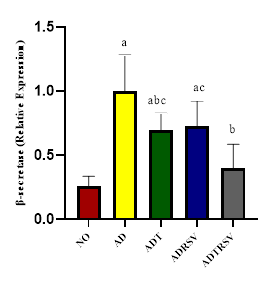
Figure 1. Hippocampal γ-secretase relative expression in the study groups.
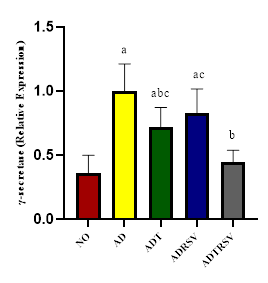
Figure 2. Hippocampal β-secretase relative expression in the study groups.
Ethical Considerations
Compliance with Ethical Guidelines
The present study received the Code of Ethics No. IR.IAU.SARI.REC.1404.153 from the Faculty of Medical Sciences, Sari Branch, Islamic Azad University.
Funding
This research received no financial support.
Authors' Contributions
All authors participated in the design, implementation, data analysis, and writing of all parts of the research.
Conflicts of Interest
The authors declare that they have no conflicts of interest regarding the publication of this article.
Acknowledgments
The present study is based on a master's thesis in exercise physiology conducted at Islamic Azad University.
References
- Alzheimer's Association. 2016 Alzheimer's disease facts and figures. Alzheimers Dement. 2016;12(4):459-509 doi: 10.1016/j.jalz.2016.03.001 pmid
- Liu HX, Zhang JJ, Zheng P, Zhang Y. Altered expression of MAP-2, GAP-43, and synaptophysin in the hippocampus of rats with chronic cerebral hypoperfusion correlates with cognitive impairment. Brain Res Mol Brain Res. 2005;139(1):169-77 doi: 10.1016/j.molbrainres.2005.05.014 pmid
- Bartsch T, Döhring J, Reuter S, Finke C, Rohr A, Brauer H, et al. Selective neuronal vulnerability of human hippocampal CA1 neurons: lesion evolution, temporal course, and pattern of hippocampal damage in diffusion-weighted MR imaging. J Cereb Blood Flow Metab. 2015;35(11):1836-45 doi: 10.1038/jcbfm.2015.137 pmid
- Tang Y, Yan Y, Mao J, Ni J, Qing H. The hippocampus associated GABAergic neural network impairment in early-stage of Alzheimer's disease. Ageing Res Rev. 2023;86:101865 doi: 10.1016/j.arr.2023.101865 pmid
- Selkoe DJ, Schenk D. Alzheimer's disease: molecular understanding predicts amyloid-based therapeutics. Annu Rev Pharmacol Toxicol. 2003;43(1):545-84 doi: 10.1146/annurev.pharmtox.43.100901.140248 pmid
- Cole SL, Vassar R. BACE1 structure and function in health and Alzheimer's disease. Curr Alzheimer Res. 2008;5(2):100-20 doi: 10.2174/156720508783954758 pmid
- Kandalepas PC, Sadleir KR, Eimer WA, Zhao J, Nicholson DA, Vassar R. The Alzheimer's β-secretase BACE1 localizes to normal presynaptic terminals and to dystrophic presynaptic terminals surrounding amyloid plaques. Acta Neuropathol. 2013;126:329-52 doi: 10.1007/s00401-013-1152-3 pmid
- Luo X, Prior M, He W, Hu X, Tang X, Shen W, et al. Cleavage of neuregulin-1 by BACE1 or ADAM10 protein produces differential effects on myelination. J Biol Chem. 2011;286(27):23967-74 doi: 10.1074/jbc.m111.251538 pmid
- Jurisch-Yaksi N, Sannerud R, Annaert W. A fast growing spectrum of biological functions of γ-secretase in development and disease. Biochim Biophys Acta. 2013;1828(12):2815-27 doi: 10.1016/j.bbamem.2013.04.016 pmid
- Yan R, Vassar R. Targeting the β secretase BACE1 for Alzheimer's disease therapy. Lancet Neurol. 2014;13(3):319-29 doi: 10.1016/s1474-4422(13)70276-x pmid
- Nigam SM, Xu S, Kritikou JS, Marosi K, Brodin L, Mattson MP. Exercise and BDNF reduce Aβ production by enhancing α-secretase processing of APP. J Neurochem. 2017;142(2):286-96 doi: 10.1111/jnc.14034 pmid
- Koo JH, Kang EB, Oh YS, Yang DS, Cho JY. Treadmill exercise decreases amyloid-β burden possibly via activation of SIRT-1 signaling in a mouse model of Alzheimer's disease. Exp Neurol. 2017;288:142-52 doi: 10.1016/j.expneurol.2016.11.014 pmid
- Chen L, Wang X, Zheng Q, Wang H. Natural products and exercise synergy: unraveling molecular mechanisms to enhance brain function in Alzheimer's disease. Phytother Res. 2025;39(8):3800-12 doi: 10.1002/ptr.70005 pmid
- Van Praag H, Fleshner M, Schwartz MW, Mattson MP. Exercise, energy intake, glucose homeostasis, and the brain. J Neurosci. 2014;34(46):15139-49 doi: 10.1523/jneurosci.2814-14.2014 pmid
- Radfar F, Shahbazi M, Tahmasebi Boroujeni S, Arab Ameri E, Farahmandfar M. Moderate aerobic training enhances the effectiveness of insulin therapy through hypothalamic IGF1 signaling in rat model of Alzheimer's disease. Sci Rep. 2024;14(1):15996 doi: 10.1038/s41598-024-66637-2 pmid
- Marosi K, Mattson MP. BDNF mediates adaptive brain and body responses to energetic challenges. Trends Endocrinol Metab. 2014;25(2):89-98 doi: 10.1016/j.tem.2013.10.006 pmid
- De Strooper B. Proteases and proteolysis in Alzheimer disease: a multifactorial view on the disease process. Physiol Rev. 2010;90(2):465-94 doi: 10.1152/physrev.00023.2009 pmid
- Baltaci AK, Arslangil D, Mogulkoc R, Patlar S. Effect of resveratrol administration on the element metabolism in the blood and brain tissues of rats subjected to acute swimming exercise. Biol Trace Elem Res. 2017;175:421-7 doi: 10.1007/s12011-016-0792-2 pmid
- Ladiwala ARA, Lin JC, Bale SS, Marcelino-Cruz AM, Bhattacharya M, Dordick JS, et al. Resveratrol selectively remodels soluble oligomers and fibrils of amyloid Aβ into off-pathway conformers. J Biol Chem. 2010;285(31):24228-37 doi: 10.1074/jbc.m110.133108 pmid
- Tan Q. The beneficial effects of combined exercise and polyphenols in Alzheimer's disease. Phytother Res. 2025;39(2):1020-34 doi: 10.1002/ptr.8422 pmid
- Braidy N, Jugder BE, Poljak A, Jayasena T, Mansour H, Mohammad Nabavi S, et al. Resveratrol as a potential therapeutic candidate for the treatment and management of Alzheimer's disease. Curr Top Med Chem. 2016;16(17):1951-60 doi: 10.2174/1568026616666160204121431 pmid
- Jang JH, Surh YJ. Protective effect of resveratrol on β-amyloid-induced oxidative PC12 cell death. Free Radic Biol Med. 2003;34(8):1100-10 doi: 10.1016/s0891-5849(03)00062-5 pmid
- Feng X, Liang N, Zhu D, Gao Q, Peng L, Dong H, et al. Resveratrol inhibits β-amyloid-induced neuronal apoptosis through regulation of SIRT1-ROCK1 signaling pathway. PLoS One. 2013;8(3):e59888 doi: 10.1371/journal.pone.0059888 pmid
- Capiralla H, Vingtdeux V, Zhao H, Sankowski R, Al-Abed Y, Davies P, et al. Resveratrol mitigates lipopolysaccharide- and Aβ-mediated microglial inflammation by inhibiting the TLR4/NF-κB/STAT signaling cascade. J Neurochem. 2012;120(3):461-72 doi: 10.1111/j.1471-4159.2011.07594.x pmid
- Amin FU, Shah SA, Kim MO. Vanillic acid attenuates Aβ1-42-induced oxidative stress and cognitive impairment in mice. Sci Rep. 2017;7(1):40753 doi: 10.1038/srep40753 pmid
- Rashet A, Abdi A, Barari A. Synergistic role of aerobic training and resveratrol on AMPK/PGC1-α/SIRT1 pathway in the hippocampus of rats with Alzheimer's disease. J Arch Military Med. 2024;12(1):e144281 doi: 10.5812/jamm-144281
- Eslimi Esfahani D, Oryan S, Khosravi M, Valizadegan F. Effect of fennel extract on the improvement of memory disorders in beta amyloid alzheimer model of male wistar rats. J Ilam Univ. 2019;27(1):1-12 Link
- Seyedhosseini Tamijani SM, Beirami E, Ahmadiani A, Dargahi L. Effect of three different regimens of repeated methamphetamine on rats' cognitive performance. Cogn Process. 2018;19(1):107-15 doi: 10.1007/s10339-017-0839-0 pmid
- Feng S, Wu C, Zou P, Deng Q, Chen Z, Li M, et al. High-intensity interval training ameliorates Alzheimer's disease-like pathology by regulating astrocyte phenotype-associated AQP4 polarization. Theranostics. 2023;13(10):3434-50 doi: 10.7150/thno.81951 pmid
- Monserrat Hernández-Hernández E, Serrano-García C, Antonio Vázquez-Roque R, Díaz A, Monroy E, Rodríguez-Moreno A, et al. Chronic administration of resveratrol prevents morphological changes in prefrontal cortex and hippocampus of aged rats. Synapse. 2016;70(5):206-17 doi: 10.1002/syn.21888 pmid
- Intlekofer KA, Cotman CW. Exercise counteracts declining hippocampal function in aging and Alzheimer's disease. Neurobiol Dis. 2013;57:47-55 doi: 10.1016/j.nbd.2012.06.011 pmid
- Vassar R, Kovacs DM, Yan R, Wong PC. The β-secretase enzyme BACE in health and Alzheimer's disease: regulation, cell biology, function, and therapeutic potential. J Neurosci. 2009;29(41):12787-94 doi: 10.1523/jneurosci.3657-09.2009 pmid
- Van Praag H, Shubert T, Zhao C, Gage FH. Exercise enhances learning and hippocampal neurogenesis in aged mice. J Neurosci. 2005;25(38):8680-5 doi: 10.1523/jneurosci.1731-05.2005 pmid
- Kim BK, Shin MS, Kim CJ, Baek SB, Ko YC, Kim YP. Treadmill exercise improves short-term memory by enhancing neurogenesis in amyloid beta-induced Alzheimer disease rats. J Exerc Rehabil. 2014;10(1):2-8 doi: 10.12965/jer.140086 pmid
- Radak Z, Chung HY, Koltai E, Taylor AW, Goto S. Exercise, oxidative stress and hormesis. Ageing Res Rev. 2008;7(1):34-42 doi: 10.1016/j.arr.2007.04.004 pmid
- Gleeson M, Bishop NC, Stensel DJ, Lindley MR, Mastana SS, Nimmo MA. The anti-inflammatory effects of exercise: mechanisms and implications for the prevention and treatment of disease. Nat Rev Immunol. 2011;11(9):607-15 doi: 10.1038/nri3041 pmid
- Zhang L, Liu Y, Wang X, Wang D, Wu H, Chen H, et al. Treadmill exercise improve recognition memory by TREM2 pathway to inhibit hippocampal microglial activation and neuroinflammation in Alzheimer's disease model. Physiol Behav. 2022;251:113820 doi: 10.1016/j.physbeh.2022.113820 pmid
- Craft S. Insulin resistance and Alzheimer's disease pathogenesis: potential mechanisms and implications for treatment. Curr Alzheimer Res. 2007;4(2):147-52 doi: 10.2174/156720507780362137 pmid
- Selkoe DJ, Schenk D. Alzheimer's disease: molecular understanding predicts amyloid-based therapeutics. Annu Rev Pharmacol Toxicol. 2003;43:545-84 doi: 10.1146/annurev.pharmtox.43.100901.140248 pmid
- Baur JA, Sinclair DA. Therapeutic potential of resveratrol: the in vivo evidence. Nat Rev Drug Discov. 2006;5(6):493-506 doi: 10.1038/nrd2060 pmid
- Turner RS, Thomas RG, Craft S, Van Dyck CH, Mintzer J, Reynolds BA, et al. A randomized, double-blind, placebo-controlled trial of resveratrol for Alzheimer disease. Neurology. 2015;85(16):1383-91 doi: 10.1212/wnl.0000000000002035 pmid
- Karuppagounder SS, Pinto JT, Xu H, Chen HL, Beal MF, Gibson GE. Dietary supplementation with resveratrol reduces plaque pathology in a transgenic model of Alzheimer's disease. Neurochem Int. 2009;54(2):111-8 doi: 10.1016/j.neuint.2008.10.008 pmid
- Walle T. Bioavailability of resveratrol. Ann N Y Acad Sci. 2011;1215(1):9-15 doi: 10.1111/j.1749-6632.2010.05842.x pmid
- Qin W, Yang T, Ho L, Zhao Z, Wang J, Chen L, et al. Neuronal SIRT1 activation as a novel mechanism underlying the prevention of Alzheimer disease amyloid neuropathology by calorie restriction. J Biol Chem. 2006;281(31):21745-54 doi: 10.1074/jbc.m602909200 pmid
- Chen M, Huang N, Liu J, Huang J, Shi J, Jin F. AMPK: A bridge between diabetes mellitus and Alzheimer's disease. Behav Brain Res. 2021;400:113043 doi: 10.1016/j.bbr.2020.113043 pmid
- Liu PZ, Nusslock R. Exercise-mediated neurogenesis in the hippocampus via BDNF. Front Neurosci. 2018;12:52 doi: 10.3389/fnins.2018.00052 pmid
- Heneka MT, Carson MJ, El Khoury J, Landreth GE, Brosseron F, Feinstein DL, et al. Neuroinflammation in Alzheimer's disease. Lancet Neurol. 2015;14(4):388-405 doi: 10.1016/s1474-4422(15)70016-5 pmid
- Cummings J, Aisen PS, DuBois B, Frölich L, Jack CR, Jones RW, et al. Drug development in Alzheimer's disease: the path to 2025. Alzheimers Res Ther. 2016;8:39 doi: 10.1186/s13195-016-0207-9 pmid