

*Corresponding author: Mahbobeh Sajadi, Department of Pediatric Nursing, School of Nursing, Arak University of Medical Sciences, Arak, Iran. Email: seiedalatifi@yahoo.com
Article DOI: 10.22034/cmja.15.4.263
Received: 04 November 2025 | Accepted: 07 February 2026
How to Cite This Article: Abdolhoseinpoor M, Sajadi M, Nasiri M, Latifi A. Effect of Saffron Tea on Anxiety Levels of Nurses Working in Intensive Care Units: A Randomized Clinical Trial. Complement Med J. 2026;15(4):263–272. https://doi.org/10.22034/cmja.15.4.263
Abstract
Introduction and Objective
Nurses working in intensive care units (ICUs) are exposed to persistent occupational stressors and may experience substantial anxiety. Saffron has been reported to have anxiolytic properties, but clinical evidence on saffron infusion as a practical daily preparation is limited. This study examined the effect of saffron tea on anxiety among ICU nurses.
Materials and Methods
This randomized clinical trial was conducted in 2022 at a teaching hospital affiliated with Arak University of Medical Sciences, Iran. Sixty-eight ICU nurses were allocated by block randomization to an intervention group (n = 33 at final analysis) or a control group (n = 35). The intervention consisted of a daily infusion containing 100 mg of saffron in 100 mL of water for 40 days. The control preparation contained 100 mL of water with two drops of saffron essence for flavouring and was prepared to be visually indistinguishable from the saffron infusion. Anxiety was assessed at baseline and after 40 days using the Spielberger State–Trait Anxiety Inventory (STAI). The instrument contains 40 items: 20 assessing state anxiety and 20 assessing trait anxiety. Reported Cronbach’s alpha coefficients were 0.91 for state anxiety and 0.90 for trait anxiety. Data were analysed using SPSS version 26. Paired and independent t-tests, one-way analysis of covariance (ANCOVA), Fisher’s exact test, and chi-square tests were used as appropriate; statistical significance was set at 0.05.
Findings / Results
The final sample comprised 33 nurses in the intervention group and 35 in the control group. Overall, 64.7% were men, 44.1% were aged 30–40 years, 88.2% held a bachelor’s degree in nursing, and 33.8% had 1–6 years of work experience. Baseline characteristics were statistically homogeneous between groups. In the saffron group, state anxiety, trait anxiety, and total anxiety decreased significantly after the intervention (all reported as P < 0.05). In the control group, pre–post differences were not significant for state anxiety (P = 0.845), trait anxiety (P = 0.186), or total anxiety (P = 0.287). Between-group comparisons showed significant differences in the reductions in state anxiety, trait anxiety, and total anxiety. The reported between-group P values were 0.0017 for trait anxiety and 0.0003 for total anxiety. ANCOVA also indicated a significant group effect (F = 23.640, P = 0.000), with an effect size of 0.267.
Conclusion
Daily consumption of saffron tea was associated with a significant reduction in anxiety scores among ICU nurses in this trial. The authors suggest saffron tea as a complementary approach to anxiety management, while noting the small sample size, possible concurrent use of other treatments, and the need for further research and longer-term follow-up.
Keywords: Anxiety; Clinical trial; Intensive care unit; Nurses; Saffron
Introduction and Objective
The chronic stressors described above may manifest as anxiety and occupational burnout. Anxiety is characterized by persistent worry, muscle tension, impaired concentration, and irritability at work. Its prevalence among ICU nurses has been reported at 30%–60%, higher than in the general population and other hospital departments. A meta-analysis cited in the article reported prevalence estimates of 28% for depression, 68% for stress, and 53% for anxiety among ICU nurses. (3, 2, 1).
Intensive care units (ICUs), because of critically ill patients, complex technologies, the need for continuous monitoring, and long and demanding work shifts, are among the most stressful occupational environments in healthcare. Nurses in these units are continually exposed to life-threatening illnesses, repeated patient deaths, difficult ethical decisions (such as limiting invasive treatment), high workloads, and staff shortages. These chronic stressors can adversely affect their mental health and contribute to anxiety and occupational burnout. The prevalence of anxiety among ICU nurses has been reported at approximately 30%–60% in different studies. (1)
The adverse effects of anxiety among ICU nurses extend beyond individual distress and have implications for organizations and patient safety. Prolonged anxiety has been associated with physical disorders, including cardiovascular and gastrointestinal conditions, sleep disturbances, and substance misuse. At the organizational level, high anxiety may reduce job satisfaction, increase absenteeism, and contribute to the departure of experienced nurses, imposing substantial costs on healthcare systems. (5, 4)
Anxiety can also impair nurses’ clinical performance. Severe anxiety may reduce the ability to process information rapidly, make accurate clinical judgments, and perform professional skills correctly. This may increase the likelihood of medical errors, reduce medication-administration accuracy, and lead to missed warning signs, ultimately affecting the quality and safety of care. (6)
Compared with nurses in other hospital departments, ICU nurses experience more stressors, including high mortality, severe disease complications, difficult working conditions, and repeated exposure to critical and traumatic events. (7, 6) Global estimates cited in the article indicate an increase of nearly 50% over two decades in the number of people experiencing anxiety or depression. In an Iranian study, more than half of nurses in general wards (56%) and special-care wards (53%) had moderate anxiety; severe anxiety was reported in 17% of general-ward nurses and 30% of special-care nurses. Another study also reported moderate levels of depression and anxiety among nurses. (9, 8, 3)
A range of interventions is used to manage anxiety, including psychological therapies such as cognitive behavioural therapy, organizational interventions such as adjustment of work shifts, and pharmacological treatments such as anxiolytic medication. Although conventional anxiolytic drugs can reduce acute symptoms, long-term use may be associated with unwanted effects, including drowsiness and impaired motor and cognitive performance, dependence, and drug interactions in people with underlying conditions. Such effects may be particularly concerning for ICU nurses, whose work requires alertness and strong cognitive performance. (11, 10)
Because of these limitations, interest has increased in complementary and traditional approaches that may have fewer adverse effects and can be incorporated into daily routines. Medicinal plants with potential anxiolytic effects have been used for centuries in different traditional medicine systems. (12, 10)
Saffron, often called “red gold,” has a long history in Iranian and Mediterranean traditional medicine as a mood-enhancing plant. Its principal active compounds include crocins, which contribute to its colour, and safranal, which contributes to its aroma. Pharmacological studies have reported antioxidant, anti-inflammatory, antidepressant, and anxiolytic properties. Saffron has also been associated with relaxing effects. Experimental research in guinea-pig cardiac cells reported inhibitory effects of an aqueous-alcoholic saffron extract on cardiac calcium channels, with reductions in heart rate and contractility, as well as relaxing effects on vascular smooth muscle. (15, 14, 13)
Proposed mechanisms for saffron’s anxiolytic effects include modulation of neurotransmitter levels in the central nervous system, particularly serotonergic, dopaminergic, and noradrenergic pathways. Its antioxidant properties may also reduce oxidative stress and inflammation associated with chronic anxiety. Animal studies and preliminary clinical research in people with mood disorders or mild-to-moderate anxiety have suggested beneficial effects of saffron extracts. However, much of this research has used concentrated extracts or capsule formulations rather than an infusion. (16, 14) A clinical trial by Kell and colleagues reported improvements in mood and sleep quality and reductions in stress and anxiety with a saffron extract. (13)
Two important gaps remain in the evidence. First, previous studies have generally focused on concentrated saffron extracts rather than an accessible daily preparation such as saffron tea. An infusion may be easier to incorporate into daily dietary routines and may be more practical for healthcare personnel. Second, high-quality randomized, double-blind, placebo-controlled trials specifically examining saffron tea in a high-stress occupational group such as ICU nurses are limited. This restricts the availability of evidence-based clinical recommendations for this population.
Accordingly, the present randomized clinical trial was designed to investigate the effect of saffron tea, as a complementary intervention, on anxiety levels among nurses working in ICUs.
Materials and Methods
Study Design and Participants
This clinical trial included nurses working in the intensive care unit of a teaching hospital affiliated with Arak University of Medical Sciences. The sample size was calculated using an alpha level of 0.05 and a statistical power of 80%, allowing for 10% attrition. The target was 34 participants per group, for a total of 68 nurses. Participants were selected by convenience sampling and then allocated using block randomization. Six four-person blocks were listed (BAAB, AABB, BABA, BBAA, ABBA, and ABAB); the blocks were ordered using a table of random numbers, and participants were assigned to groups A and B, with 34 individuals in each group.
Inclusion criteria were willingness to participate; working the required monthly duty hours of 175 hours in the unit; not using sedative or anti-anxiety medication; no known saffron allergy; no underlying conditions, including hepatic, renal, or coagulation disorders, that could interfere with saffron’s effects or cause adverse effects; and avoiding saffron-containing foods during the study. Nurses were instructed about avoiding saffron and saffron-containing products. If a nurse needed to consume such products, they were to report this to the researchers and would be withdrawn from the study.
Exclusion criteria included unwillingness to continue, development of saffron allergy, adverse effects associated with saffron consumption such as bleeding, and pregnancy. The intervention period was set at 40 days, based on the rationale cited by the authors that herbal medicines may take 40 days to exert an effect. The researcher prepared the intervention and control beverages daily at the beginning of the work shift.
Intervention and Control Preparations
The intervention group received an infusion containing 100 mg of saffron in 100 mL of water each day for 40 days. The control group received a placebo consisting of 100 mL of water with two drops of saffron essence for flavouring. The control preparation was designed to be visually indistinguishable from the saffron infusion. Both groups consumed their assigned preparation for 40 days.
Outcome Measures
After the study objectives had been explained and informed consent obtained, participants in both groups completed a demographic questionnaire covering age, sex, education, and work experience, as well as the Spielberger State–Trait Anxiety Inventory (STAI). At the end of the 40-day period, both groups completed the STAI again. The study assessed anxiety at baseline and follow-up. The STAI was developed by Spielberger in 1983 and contains 40 questions: 20 for state anxiety and 20 for trait anxiety. The reported Cronbach’s alpha coefficients were 0.91 for state anxiety and 0.90 for trait anxiety. Items were scored on a four-point Likert scale (very low, low, high, and very high), with scores from 1 to 4. For items 1, 2, 5, 8, 10, 11, 15, 16, 19, 20, 21, 23, 26, 27, 30, 33, 34, 36, and 39, a score of 4 indicated absence of anxiety; for the other items, a score of 4 indicated high anxiety.
Statistical Analysis
Data were analysed using SPSS version 26. Data from participants who did not adhere to the intervention were excluded from the analysis. After assessment of normality, quantitative variables were analysed using one-way ANCOVA, independent t-tests, and paired t-tests. Qualitative variables were analysed using Fisher’s exact test and chi-square tests. The significance level was set at 0.05.
Ethical Considerations
The study followed ethical principles, including obtaining informed consent, maintaining confidentiality, and informing participants that they could withdraw at any time. Approval was obtained from the Ethics Committee of Arak University of Medical Sciences (IR.ARAKMU.REC.1401.064). The trial was registered in the Iranian Registry of Clinical Trials (IRCT20210501051142N4) before commencement.
Findings / Results
According to the CONSORT flow diagram (Figure 1), 68 participants were included in the final analysis: 33 in the intervention group and 35 in the control group. The most frequent characteristics were male sex (64.7%), age 30–40 years (44.1%), a bachelor’s degree in nursing (88.2%), and 1–6 years of work experience (33.8%). The two groups were homogeneous at baseline, with no statistically significant differences in the listed characteristics (P > 0.05). The Kolmogorov–Smirnov test supported the normality assumption for the variables (P > 0.05). Participant characteristics are presented in Table 1.
In the intervention group, anxiety scores decreased significantly from before to after the intervention. Significant pre–post differences were reported for state anxiety, trait anxiety, and total anxiety. In the control group, no significant pre–post differences were found for state anxiety (P = 0.845), trait anxiety (P = 0.186), or total anxiety (P = 0.287). The mean differences in the intervention group were negative, indicating lower anxiety scores after the intervention. The detailed paired comparisons are shown in Table 2.
Comparisons between the intervention and control groups showed a significant difference in the reduction in state anxiety. The between-group difference was highly significant for trait anxiety (P = 0.0017) and total anxiety (P = 0.0003). The authors reported that the saffron intervention reduced overall anxiety relative to the control condition.
ANCOVA results also showed a significant group effect on anxiety after adjustment for baseline anxiety (F = 23.640, P = 0.000). The effect size was 0.267, indicating that approximately 26.7% of the variance in post-intervention anxiety was explained by group membership. The ANCOVA results are presented in Table 3.
Tables
Table 1. Demographic characteristics of nurses working in the intensive care unit of Amir Kabir Hospital, Arak
Variable | Category | Intervention (n=34), n (%) | Control (n=34), n (%) | Total, n (%) | Test statistic | P value |
|---|---|---|---|---|---|---|
Age | 23–30 years | 10 (29.4%) | 10 (29.4%) | 20 (29.4%) | 0.402 | 0.868* |
Age | 30–40 years | 14 (41.2%) | 16 (47.1%) | 30 (44.1%) | 0.402 | 0.868* |
Age | 40–52 years | 10 (29.4%) | 8 (23.5%) | 18 (26.5%) | 0.402 | 0.868* |
Work experience | 1–6 years | 12 (35.3%) | 11 (32.4%) | 23 (33.8%) | 1.153 | 0.566* |
Work experience | 6–15 years | 10 (29.4%) | 14 (41.2%) | 24 (35.3%) | 1.153 | 0.566* |
Work experience | More than 15 years | 12 (35.3%) | 9 (26.5%) | 21 (30.9%) | 1.153 | 0.566* |
Sex | Male | 23 (67.6%) | 21 (61.8%) | 44 (64.7%) | 0.258 | 0.612** |
Sex | Female | 11 (32.4%) | 13 (38.2%) | 24 (35.3%) | 0.258 | 0.612** |
Education | Bachelor’s degree | 29 (85.3%) | 31 (91.2%) | 60 (88.2%) | 0.567 | 0.452** |
Education | Master’s degree | 5 (14.7%) | 3 (8.8%) | 8 (11.8%) | 0.567 | 0.452** |
Note: * Fisher’s exact test; ** chi-square test. The source table reports the final analyzed group sizes as 33 intervention and 35 control participants, while this baseline-characteristics table presents denominators of 34 per group. This source discrepancy is retained rather than reconciled.
Table 2. Anxiety scores in the two study groups before and after the intervention
Outcome | Group | Mean difference | SD of difference | t | df | P value |
|---|---|---|---|---|---|---|
State anxiety | Intervention | −9.176 | 16.705 | −3.203 | 33 | 0.003 |
State anxiety | Control | −0.588 | 17.464 | −0.196 | 33 | 0.845 |
Trait anxiety | Intervention | −13.735 | 14.979 | −5.347 | 33 | 0.000 |
Trait anxiety | Control | −2.882 | 12.441 | −1.351 | 33 | 0.186 |
Total anxiety | Intervention | −22.912 | 23.202 | −5.758 | 33 | 0.000 |
Total anxiety | Control | −3.471 | 18.709 | −1.082 | 33 | 0.287 |
Note: Paired t-test. The table values are transcribed from the source. The article reports a between-group P value of 0.0017 for trait-anxiety reduction and 0.0003 for total-anxiety reduction in the narrative.
Table 3. Results of one-way analysis of covariance (ANCOVA)
Source of variation | Sum of squares | df | Mean square | F | P value | Effect size |
|---|---|---|---|---|---|---|
Anxiety before intervention | 175.401 | 1 | 175.401 | 0.859 | 0.358 | 0.013 |
Group effect | 4829.284 | 1 | 4829.284 | 23.640 | 0.000 | 0.267 |
Error | 13278.423 | 65 | 204.283 | |||
Corrected total | 717.200 | 67 |
Figures
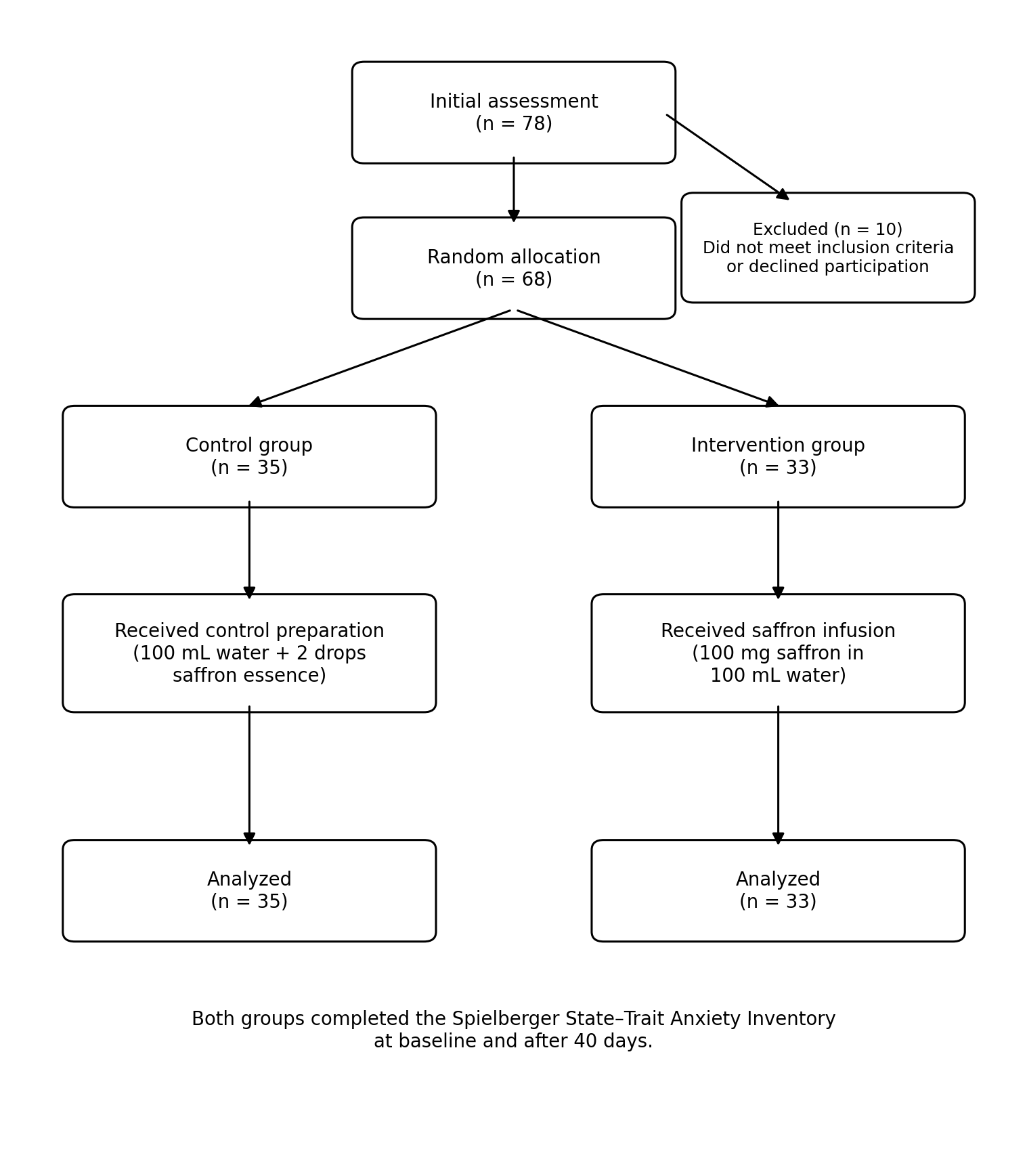
Figure 1. CONSORT flow diagram of participant screening, random allocation, intervention, and analysis. The diagram is reconstructed in English from the source figure.
Discussion
This study investigated the effect of saffron tea on anxiety among nurses working in intensive care units. Most participants were men, aged 30–40 years, held a bachelor’s degree, and had either 1–6 years or more than 15 years of work experience. The two groups did not differ significantly at baseline and were therefore considered homogeneous.
The findings indicated moderate-to-high anxiety levels among ICU nurses, consistent with previous research. The saffron-tea intervention had a positive and statistically significant effect on anxiety. In the intervention group, state anxiety, trait anxiety, and total anxiety scores differed significantly before and after the intervention. The negative mean differences (−17.705, −13.735, and −22.912, respectively, as reported in the discussion) indicated reductions in anxiety. In contrast, the control group showed no significant pre–post change. (9, 8, 5, 3, 1)
Between-group comparisons also showed differences in the reduction of state, trait, and total anxiety. Although the authors did not identify a directly comparable study, they noted consistency with research reporting beneficial effects of saffron on stress and anxiety. Dehghan and colleagues reported that oral saffron capsules reduced anxiety and stress in patients with diabetes; however, their population and saffron formulation and dose differed from those in the present study. (18)
Lopresti and colleagues reported improvements in symptoms of mild-to-moderate anxiety and depression among young people receiving saffron extract, supporting the direction of the present findings, although the study population differed. Kell and colleagues found that a saffron extract improved mood and sleep quality and helped reduce and manage stress and anxiety without reported adverse effects. The dose, formulation, duration, and study population in that trial differed from the present study. (19, 13)
By contrast, a six-week double-blind clinical trial in healthy adults with subclinical neuropsychological symptoms found no significant effect of saffron extract on the primary combined outcome of depression, anxiety, and fatigue or on individual symptoms. It reported an improvement in self-perceived mental well-being but no significant effects on inflammatory parameters or hypothalamic–pituitary–adrenal axis reactivity. Metabolic analysis indicated modulation of N-acetyl-phenylalanine. The authors of that study recommended further robust research. (16)
The ANCOVA findings supported the paired t-test results. After adjustment for baseline anxiety, the group effect on post-intervention anxiety was significant (F = 23.640, P = 0.000). The reported effect size (η² = 0.267) indicates that approximately 26.7% of the variance in post-intervention anxiety was explained by group membership. The authors interpreted this as a moderate-to-strong intervention effect.
Healthcare workers, particularly nurses, face multiple stressors that may affect nursing performance and patient safety. Complementary and traditional approaches alongside standard treatments may help reduce stress and anxiety. The study had limitations, including a relatively small sample and the possibility that nurses used other treatments, such as medication, to manage stress and anxiety during the intervention. Such concurrent treatments could have acted as confounding variables.
The findings may be applicable to nurses working in other high-stress clinical environments when working conditions and individual characteristics are similar. Generalization to other occupational groups or nonclinical settings should be cautious because job demands, stressors, and population characteristics may influence responses to saffron tea. The authors therefore consider the findings most applicable to similar clinical settings in Iran or comparable healthcare centres. They suggest that saffron tea may reduce anxiety and thereby improve nursing-care performance in ICUs, as a complementary measure alongside other medical and pharmacological treatments.
Conclusion
Overall, the findings indicate that saffron tea may be used as an approach to reducing anxiety among nurses working in intensive care units. Its use may be considered for ICU nurses; however, generalizability should be approached cautiously because the study was conducted in a single intensive-care setting with a limited sample. Further evidence and additional studies are needed.
Acknowledgments
This study was part of a research project approved by the Traditional and Complementary Medicine Research Center of Arak University of Medical Sciences (project code 3696), and was conducted after obtaining approval and registration in the Iranian Registry of Clinical Trials (IRCT20210501051142N4). The authors thank the Research and Technology Vice-Chancellery and all nurses who assisted the researchers.
Ethical Considerations
Compliance with Ethical Guidelines
All ethical considerations were observed. Informed consent was obtained from participants, their information was kept confidential, and they were informed that they could withdraw at any time. The study was approved by the Ethics Committee of Arak University of Medical Sciences (IR.ARAKMU.REC.1401.064) and registered with the Iranian Registry of Clinical Trials (IRCT20210501051142N4).
Funding
This study was based on a research project approved by the Traditional and Complementary Medicine Research Center of Arak University of Medical Sciences (project code 3696). The funder was the Research and Technology Vice-Chancellery of Arak University of Medical Sciences.
Authors’ Contributions
1. Mojtaba Abdolhoseinpoor: Sampling, data collection, implementation of the research, and data entry into the software.
2. Mahbobeh Sajadi: Writing the results, supervising the research, final editing of the article, and revising the article in response to reviewers’ comments.
3. Maliheh Nasiri: Preparation of saffron and placebo formulations, statistical analysis, and drafting the initial manuscript.
4. Amirhossein Latifi: Research consultation, proposal editing, and assistance with data collection.
Conflicts of Interest
The authors declared no conflicts of interest.
References
- Khorramnia S, Pakzad Moghadam SH, Sarkoohi A, Orandi A, Orandi A, Mohajeri Iravani M, et al. Prevalence of depression, stress and anxiety in nurses of intensive care units in Iranian hospitals: a systematic review, meta-analysis and meta-regression. Nurs Midwifery J. 2024;22(5):365–378. [Persian]. doi: 10.61186/unmf.22.5.365
- Cecere L, de Novellis S, Gravante A, Petrillo G, Pisani L, Terrenato I, et al. Quality of life of critical care nurses and impact on anxiety, depression, stress, burnout and sleep quality: a cross-sectional study. Intensive Crit Care Nurs. 2023;79:103494. doi: 10.1016/j.iccn.2023.103494. pmid
- Alkubati SA, Alsaqri SH, Alrubaiee GG, Almoliky MA, Al-Qalah T, Pasay-An E, et al. The influence of anxiety and depression on critical care nurses’ performance: a multicenter correlational study. Aust Crit Care. 2025;38(1):101064. doi: 10.1016/j.aucc.2024.04.008. pmid
- Al-Ajarmeh DO, Rayan AH, Eshah NF, Al-Hamdan ZM. Nurse-nurse collaboration and performance among nurses in intensive care units. Nurs Crit Care. 2022;27(6):747–755. doi: 10.1111/nicc.12745. pmid
- Khani M, Ahmadi F, Rasekhi A, Mohammadpour Y. Comparison of stress, anxiety, and depression levels in nurses in specialized and general ward. Iran J Nurs Midwifery Res. 2025;30(1):103–109. doi: 10.4103/ijnmr.ijnmr_304_23. pmid
- Petrosino F, Bartoli D, Trotta F, Di Nome S, Di Sarli MG, Frammartino R, et al. Nurses’ quality of life, sleep disturbance, and intention to leave critical care units: a cross-sectional moderated mediation analysis. Intensive Crit Care Nurs. 2024;81:103602. doi: 10.1016/j.iccn.2023.103602. pmid
- Rivaz M, Tehranineshat B. The relationship between professional collaboration and quality of nursing care in intensive care units: a cross-sectional study. J Crit Care Nurs. 2023;16(3):31–40. doi: 10.30491/JCC.16.3.31
- Taleghani E, Noroozi M, Hadavi M. Prevalence of stress, anxiety and depression among nursing staff in intensive care units of Ali Ebn-e Abitaleb Hospital in Rafsanjan in 2017. Commun Health J. 2018;12(2):11–21. [Persian]. doi: 10.22123/chj.2018.127080.1122
- Sarboozi Hosein Abadi T, Askari M, Miri K, Namazi Nia M. Depression, stress and anxiety of nurses in COVID-19 pandemic in Nohe-Dey Hospital in Torbat-e-Heydariyeh city, Iran. J Military Med. 2022;22(6):526–533. [Persian]. doi: 10.30491/JMM.22.6.526
- Saffari M, Bashar FR, Vahedian-Azimi A, Pourhoseingholi MA, Karimi L, Shamsizadeh M, et al. Effect of a multistage educational skill-based program on nurse’s stress and anxiety in the intensive care setting: a randomized controlled trial. Behav Neurol. 2021;2021:8811347. doi: 10.1155/2021/8811347. pmid
- Mathew B. Effectiveness of psychological intervention package on anxiety and wellness level among patients with anxiety disorders. J Family Med Prim Care. 2022;11(11):6704–6713. doi: 10.4103/jfmpc.jfmpc_561_21. pmid
- Zhao FY, Kennedy GA, Xu P, Conduit R, Wang YM, Zhang WJ, et al. Identifying complementary and alternative medicine recommendations for anxiety treatment and care: a systematic review and critical assessment of comprehensive clinical practice guidelines. Front Psychiatry. 2023;14:1290580. doi: 10.3389/fpsyt.2023.1290580. pmid
- Kell G, Rao A, Beccaria G, Clayton P, Inarejos-García AM, Prodanov M. affron, a novel saffron extract (Crocus sativus L.), improves mood in healthy adults over 4 weeks in a double-blind, parallel, randomized, placebo-controlled clinical trial. Complement Ther Med. 2017;33:58–64. doi.org/10.1016/j.ctim.2017.06.001. pmid
- Kalantari Meybodi MS. The effects of Crocus sativus (saffron) on cardiovascular diseases from Iranian traditional medicine to modern phytotherapy. Iran J Cardiovasc Nurs. 2018;6(4):70–77. [Persian]. Link
- Hatami H, Dehghan G, Alavi F. The protective effects of saffron extract (Crocus sativus) on oxidative stress reduction in male rats with Parkinson’s disease. Sci J Ilam Univ Med Sci. 2019;27(2):148–158. [Persian]. doi: 10.29252/sjimu.27.2.148
- Amadieu C, Leyrolle Q, Farneti M, Anesi A, Bruchet E, Montet J, et al. Effect of saffron extract supplementation on mood in healthy adults with subclinical symptoms of depression: a randomized, double-blind placebo-controlled study. Am J Clin Nutr. 2025;122(6):1625–1635. doi: 10.1016/j.ajcnut.2025.09.050. pmid
- Modarresi Chahardehi A, Ibrahim D, Fariza Sulaiman S, Aboulhassani F. Determination of antimicrobial activity of various extracts of stinging nettle (Urtica dioica). J Med Plants. 2012;11(42):98–104. [Persian]. Link
- Dehghan Mehr S, Mansouri A, Noor Aein S. Effect of saffron oral capsules on anxiety level of patients with diabetes mellitus. J Diabetes Nurs. 2017;5(1):10–19. [Persian]. Link
- Lopresti AL, Drummond PD, Inarejos-García AM, Prodanov M. Affron, a standardized extract from saffron (Crocus sativus L.) for the treatment of youth anxiety and depressive symptoms: a randomized, double-blind-controlled study. J Affect Disord. 2018;232:349–357. doi: 10.1016/j.jad.2018.02.070. pmid
- Dutton S, Kozachik SL. Evaluating the outcomes of a web-based stress management program for nurses and nursing assistants. Worldviews Evid Based Nurs. 2020;17(1):32–38. doi: 10.1111/wvn.12417. pmid