

* Corresponding author: Maryam Sadrnia & Atousa Vaziri, Department of Biology, Payame Noor University, Tehran, Iran. Email: msadrnia@pnu.ac.ir & a_vaziri@pnu.ac
Received: 23 February 2026 | Accepted: 25 April 2026
How to cite: Hamidnia Sh, Vaziri A, Moghadami F, Sadrnia M. Evaluation of the antimicrobial activity of thyme extract and its effect on the expression of MexXY-OprM efflux pump against clinical isolates of Pseudomonas aeruginosa. Complement Med J. 2025;15(4):333–344. doi:10.22034/cmja.15.4.333.
Abstract
Introduction: Antimicrobial resistance in Pseudomonas aeruginosa and the contribution of efflux pumps create an urgent need for new antimicrobial agents and pump-modulating compounds. This study investigated the antimicrobial activity of hydroalcoholic thyme extract and its effect on mexX expression, a component of the MexXY efflux system.
Methods: Thyme extract was prepared by maceration in ethanol. Its antimicrobial activity against standard and clinical P. aeruginosa isolates, including multidrug-resistant (MDR) isolates, was assessed using disk diffusion and broth microdilution to determine the minimum inhibitory concentration (MIC) and minimum bactericidal concentration (MBC). The MBC/MIC ratio was used to classify bactericidal activity. mexX expression was evaluated by real-time reverse-transcription PCR (qRT-PCR), using 16S rRNA as the internal control and P. aeruginosa PAO1 as the reference strain. Expression was compared before and after exposure to a sub-MIC concentration of extract.
Results: MIC values were 250 mg/mL in seven isolates and 125 mg/mL in three isolates. The reported MBC values were 125 mg/mL and 31.25 mg/mL. In disk diffusion, two of 20 samples showed an inhibition zone around the 100% extract disk; the sensitive isolate also showed zones around the 50% and 100% disks, but not the 25% disk. Among 10 MDR isolates assessed for mexX expression, six showed a statistically significant reduction (reported as P<0.05), three showed a nonsignificant reduction, and isolate S2 showed a small, nonsignificant increase.
Conclusion: Thyme extract showed concentration-dependent antimicrobial activity against P. aeruginosa and was associated with reduced mexX expression in most tested MDR isolates. The findings support further investigation of thyme extract as a potential adjunct to conventional antibiotics; formulation, dose, mechanism, and combination effects require additional study.
Keywords: Thyme extract; Pseudomonas aeruginosa; efflux pump; MexXY-OprM; mexX; antimicrobial resistance; qRT-PCR.
Copyright © 2025 The Author(s); published by Complementary Medicine Journal. Open access under the Creative Commons Attribution-NonCommercial 4.0 International License (CC BY-NC 4.0).
Introduction
Antimicrobial resistance (AMR) is recognized by the World Health Organization (WHO) as a major global threat and one of the ten leading threats to human health. The increasing prevalence of multidrug-resistant (MDR) strains substantially limits effective treatment options and contributes to higher mortality, longer hospital stays, and increased healthcare costs [1, 2].
Among resistant pathogens, Pseudomonas aeruginosa is an opportunistic Gram-negative bacterium and an important cause of hospital-acquired infections, including respiratory tract, urinary tract, bloodstream, and burn-wound infections, as well as community-acquired infections such as otitis externa [3]. Its low-permeability outer membrane and capacity to acquire multiple resistance mechanisms make infections difficult to treat. Infections can be particularly dangerous in immunocompromised patients, people with cystic fibrosis, and individuals with chronic wounds [4].
Efflux pumps are among the most important resistance mechanisms in P. aeruginosa. These membrane transport systems actively expel a broad range of substrates—including fluoroquinolones, aminoglycosides, beta-lactams, disinfectants, and metal ions—from bacterial cells, thereby reducing intracellular concentrations [5]. The MexAB-OprM, MexCD-OprJ, MexEF-OprN, and MexXY-OprM systems contribute substantially to multidrug resistance. Their expression is regulated by complex gene-regulatory networks, and pump overexpression is a major contributor to treatment failure [6].
Natural products have regained attention as potential sources of antimicrobial agents and therapeutic adjuvants because medicinal plants contain diverse bioactive secondary metabolites [7]. Thyme (Thymus), a member of the Lamiaceae family, has a long history of use in European, Mediterranean, and Iranian traditional medicine. Its principal bioactive constituents include the phenolic monoterpenes thymol and carvacrol, which have demonstrated antimicrobial activity [8, 9]. In vitro studies have reported antibacterial, antifungal, and antiviral effects for different thyme extracts and essential oils [9].
The antimicrobial effects of these phenolic compounds are often attributed to disruption of the structure and function of the cytoplasmic membrane. Thymol and carvacrol can enter the lipid bilayer, increase membrane fluidity and permeability, promote leakage of ions and cellular components, reduce membrane potential, and ultimately cause cell death [10]. However, their cellular targets may be multiple, and their activity may not be limited to membrane disruption.
One less-studied possibility is an interaction between plant metabolites and bacterial efflux systems. Such compounds may be pump substrates that are rapidly expelled, or they may regulate pump-gene expression or act as pump inhibitors. Studies of other plant compounds, including epigallocatechin gallate (EGCG) from green tea, have suggested inhibition of efflux-pump expression such as MexAB-OprM in P. aeruginosa [11]. Direct evidence concerning thyme extract or its major constituents and efflux-pump expression in P. aeruginosa remains limited.
Given the clinical importance of P. aeruginosa, the role of efflux systems in antibiotic resistance, and the antimicrobial potential of thyme, the present study evaluated the antimicrobial activity of hydroalcoholic extract of garden thyme (Thymus vulgaris) against standard and clinical P. aeruginosa isolates and investigated the effect of sub-MIC exposure on mexX expression. Although the study rationale refers more broadly to key efflux-pump genes (MexB, MexD, MexF, and MexY), the molecular assay described and reported in the Methods and Results specifically measured mexX.
Materials and Methods
Study design and bacterial isolates
This applied experimental laboratory study examined 20 P. aeruginosa isolates obtained from a microbial collection. Isolates were re-cultured on nutrient agar, and individual colonies were transferred to cetrimide agar for purification and presumptive confirmation. Growth and characteristic green or fluorescent pigments were used as visual indicators of P. aeruginosa. Bacteria were subsequently grown in tryptic soy broth (TSB) and stored at −20°C.
Antibiotic susceptibility testing
Clinical isolates were assessed by disk diffusion on Mueller–Hinton agar. Bacterial suspensions adjusted to approximately 0.5 McFarland were spread evenly over the agar surface. Antibiotic disks were placed using sterile forceps and standard spacing, with plates incubated aerobically at 37°C for 24 hours. Inhibition-zone diameters were measured in millimeters and interpreted using Clinical and Laboratory Standards Institute (CLSI) criteria. The Methods lists cefepime (30 μg), aztreonam (30 μg), norfloxacin (10 μg), levofloxacin (5 μg), gentamicin (10 μg), and amikacin (30 μg); the Results section also mentions ceftriaxone and another cephalosporin inconsistently. The English abstract and Results report aztreonam as the only antibiotic producing an inhibition zone.
Preparation of thyme extract
Garden thyme supplied by the agricultural research section of Barij Essence (herbarium code 290-1) was used. Leaves and stems were washed to remove debris and dried in the shade away from direct sunlight to preserve active constituents. The dried plant material was ground to a powder and stored in a glass container until extraction. For extraction, 100 g of thyme powder was mixed with 500 mL ethanol and stirred continuously with a magnetic stirrer at room temperature for 24 hours. The mixture was filtered, concentrated using a rotary evaporator to remove the alcohol, frozen, and lyophilized to obtain a powder. The extract was stored at 4°C until use.
Disk-diffusion assessment of thyme extract
Sterile blank disks were immersed for five minutes in thyme extract at concentrations of 25%, 50%, or 100%, removed, blotted to remove excess liquid, and placed on inoculated agar. An ampicillin disk was used as a control. The source reports that two of 20 samples showed an inhibition zone around the 100% extract disk. The sensitive isolate also showed zones around the 50% and 100% disks, but not around the 25% disk.
Determination of MIC and MBC
The MIC of thyme extract against P. aeruginosa was determined by broth microdilution. A stock solution was prepared in a suitable solvent, and two-fold serial dilutions were made in Mueller–Hinton broth in a 96-well plate. Bacterial suspensions were prepared from a 0.5 McFarland standard and diluted to a final inoculum of approximately 5 × 10⁵ CFU/mL per well. Plates were incubated at 37°C for 18–24 hours. Growth was assessed visually by turbidity and by measuring optical density at 600 nm. MIC was defined as the lowest extract concentration showing no visible growth and at least 90% inhibition relative to the growth control. Experiments were performed in three independent replicates. Controls included bacteria without extract (growth control), medium alone (negative control), and bacteria with the extract solvent (solvent control).
For MBC determination, 5 μL was taken from wells without visible growth and inoculated onto Mueller–Hinton agar. Plates were incubated aerobically at 37°C for 24 hours. The absence of colony formation was interpreted as bactericidal activity. The MBC/MIC ratio was calculated; a ratio ≤4 was interpreted as bactericidal, whereas a ratio >4 was interpreted as bacteriostatic [14].
RNA extraction and cDNA synthesis
MDR isolates were cultured on nutrient agar and then inoculated into brain heart broth (BHB). Cultures were incubated at 37°C for 24 hours. Cells were harvested in the late logarithmic phase by centrifugation at 5,000 rpm for five minutes. Total RNA was extracted from the bacterial pellets according to the kit manufacturer’s instructions. RNA quality was assessed using a NanoDrop spectrophotometer. Because RNA concentrations differed among samples, RNA inputs were adjusted to a common concentration based on the lowest concentration measured. cDNA was synthesized using a Pars Tous cDNA synthesis kit. The kit description includes 2× RT buffer, dNTPs, MgCl₂, oligo(dT)₁₆, random hexamers, a thermostable H-minus MMLV enzyme, RNase inhibitor, stabilizer, and DEPC-treated water.
Real-time PCR and gene-expression analysis
Quantitative real-time PCR was used to assess mexX expression. The 16S rRNA gene served as the internal housekeeping control, and P. aeruginosa PAO1 was used as the reference strain. Each reaction was performed in triplicate. The reaction mixture contained master mix, distilled water, cDNA, forward primer, and reverse primer. Primer sequences and expected amplicon sizes are provided in Table 2. The article describes relative quantification using the ΔΔCt approach and also refers to the Pfaffl method (2001); Prism software was used for analysis. Melt-curve analysis was performed after amplification to assess product specificity and identify possible nonspecific amplification or primer-dimer formation. Bacteria were then grown in the presence of a sub-MIC concentration of thyme extract (for example, 125 mg/mL when the MIC was 250 mg/mL), and RNA extraction and mexX expression analysis were repeated. Expression levels with and without extract exposure were compared.
Statistical analysis
Statistical analyses were performed using a t-test in GraphPad Prism version 10.1.2. A P value below 0.05 was considered statistically significant.
Table 1. Reaction composition per qRT-PCR sample
Component | Volume per reaction |
|---|---|
Master mix | 10 μL |
Distilled water | 6.5 μL |
cDNA | 1.5 μL |
Forward primer | 1 μL |
Reverse primer | 1 μL |
Table 2. Primer sequences used in the study
Target / internal control | Primer sequence (5′–3′) | Amplicon |
|---|---|---|
mexX | F: TTCCTGCTGGGCTGCGAAGA | 109 bp |
16S rRNA | F: CAGCTCGTGTCGTGAGATGT | 150 bp |
Table 3. Melt-curve program
Stage | Temperature | Duration / cycles |
|---|---|---|
Melt-curve step 1 | 94°C | 15 s |
Melt-curve step 2 | 51°C | 1 min |
Melt-curve step 3 | 94°C | 15 s |
Melt-curve step 4 | 50°C | 33 s |
Cycling / holding | 94°C | 40 cycles / 5 s as shown in source |
Holding | 94°C | 30 s |
Note: The original Table 3 is a compact, multi-column thermal program whose headings and sequence are not fully unambiguous in the source rendering. The visible temperatures and durations have been transcribed; verify the table against the instrument protocol before experimental replication.
Results
Culture and recovery of isolates
The isolates were cultured on cetrimide agar to confirm their presumptive identity. The medium changed to green with P. aeruginosa growth. Figure 1 shows the cultures on nutrient agar and cetrimide agar.
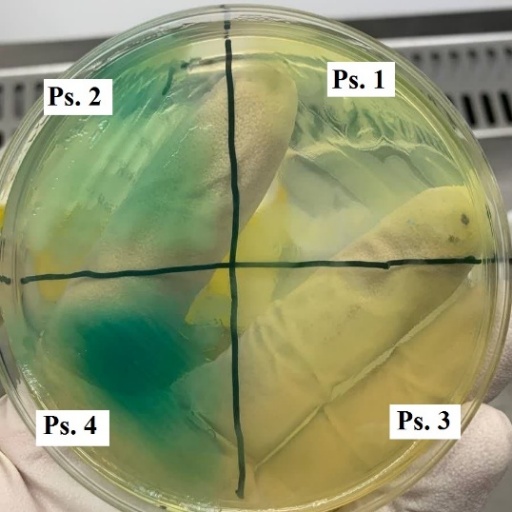
Figure 1. Culture and recovery of Pseudomonas aeruginosa isolates. The original plate images show growth on cetrimide agar and nutrient agar.
Antibiotic susceptibility
The isolates under investigation were selected because of their multidrug-resistant phenotype. The antibiotic susceptibility test showed that only aztreonam produced a visible inhibition zone in the reported set; the remaining tested antibiotics did not produce zones, consistent with resistance. The results are illustrated in Figure 2.
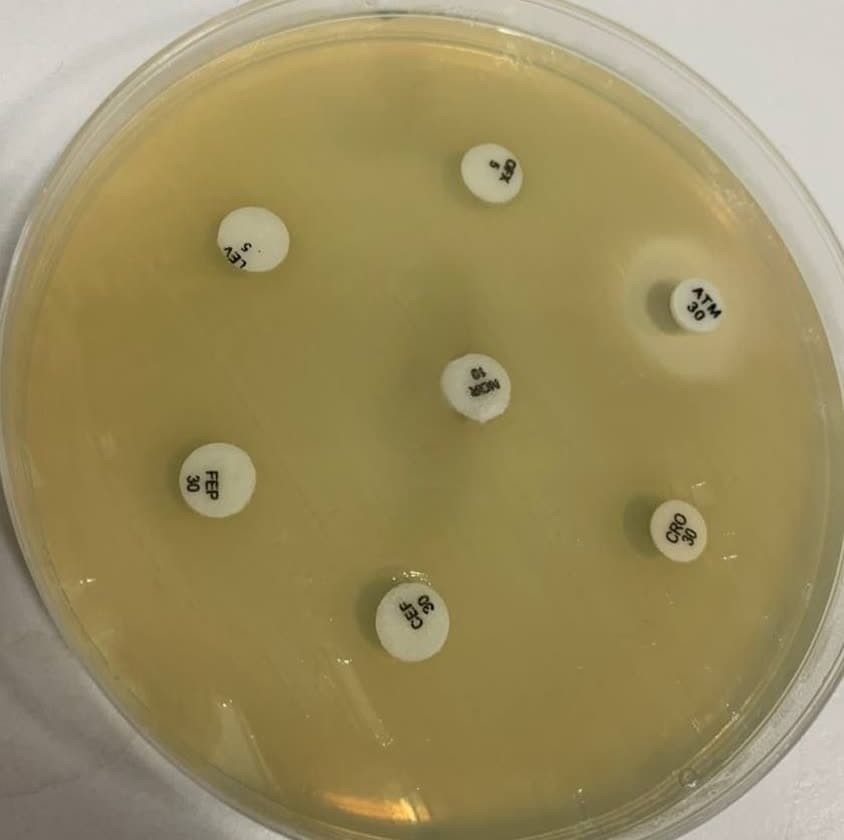
Figure 2. Representative disk-diffusion antibiotic susceptibility test.
Antimicrobial activity of thyme extract
In the disk-diffusion assessment, antibiotic-sensitive (non-MDR) isolates did not appear substantially different from MDR isolates in their response to thyme extract. All isolates were reported as resistant to the 25% and 50% extract disks; two of 20 samples showed an inhibition zone around the 100% disk. The sensitive isolate showed inhibition zones around the 50% and 100% disks but not around the 25% disk. Ampicillin was used as the control. Figure 3 illustrates the thyme-extract disk-diffusion assay.
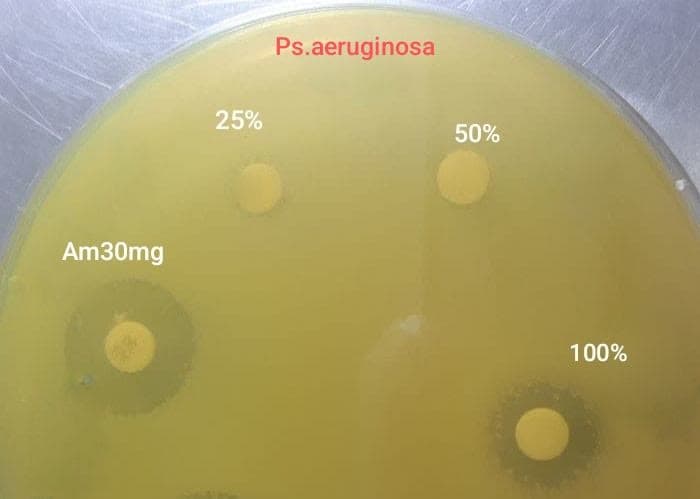
Figure 3. Disk-diffusion assay of thyme extract. The representative plate shows no inhibition at 25% and 50%, an inhibition zone at 100%, and the ampicillin control.
For broth microdilution, the tested concentration range was reported as 2,000 to 3.92 mg/mL. MIC values were 250 mg/mL for seven isolates and 125 mg/mL for three isolates. The MBC was reported as 125 mg/mL and 31.25 mg/mL. The source does not clearly identify which isolate groups correspond to each MBC value.
Molecular assessment of mexX expression
Melt-curve analysis showed a single sharp peak for the target mexX product and a single peak for the internal control 16S rRNA, consistent with a single predominant amplification product in the reported samples (Figure 4).
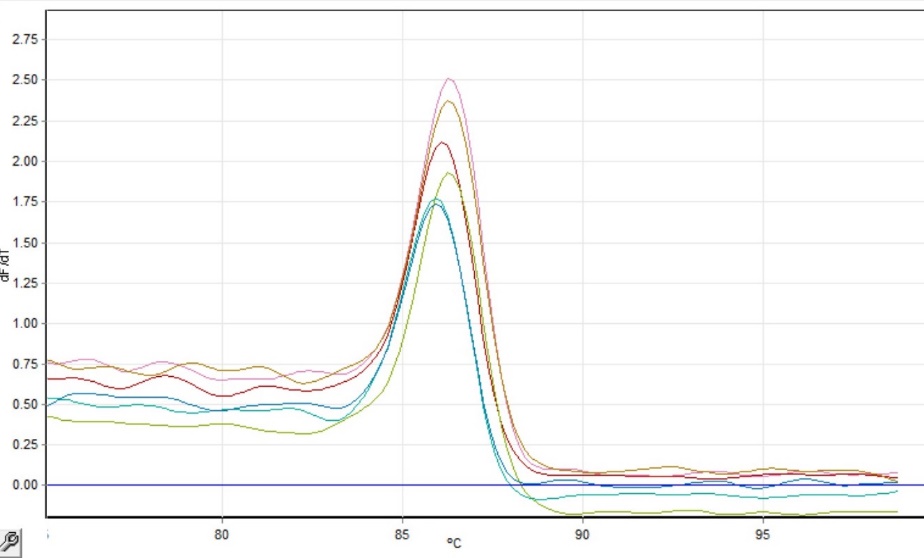
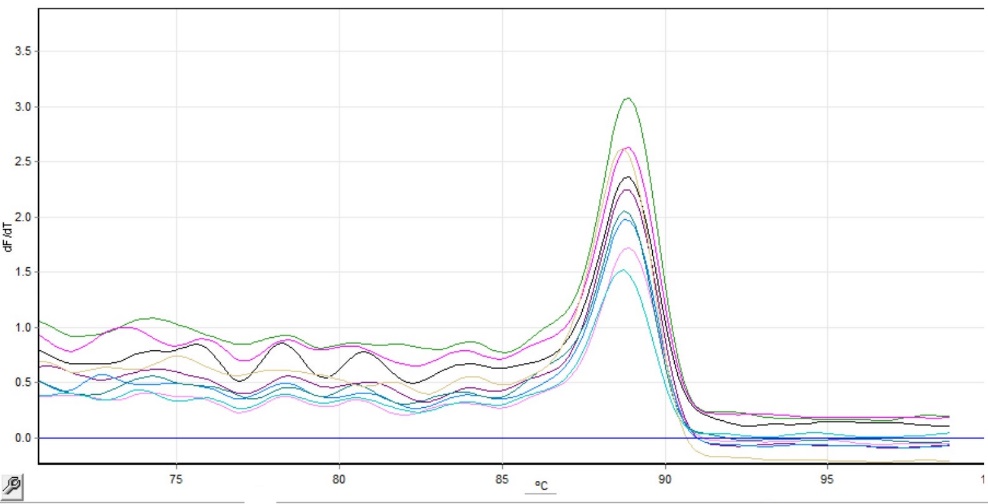
Figure 4. Melt-curve profiles for mexX and the 16S rRNA internal control, before and after thyme-extract exposure, as presented in the source.
The amplification curves showed the expected baseline, exponential, and plateau phases. The source explains that fluorescence remained relatively unchanged during the initial cycles (approximately cycles 10–15), then increased during exponential amplification before reaching a plateau as reaction components were consumed (Figure 5).
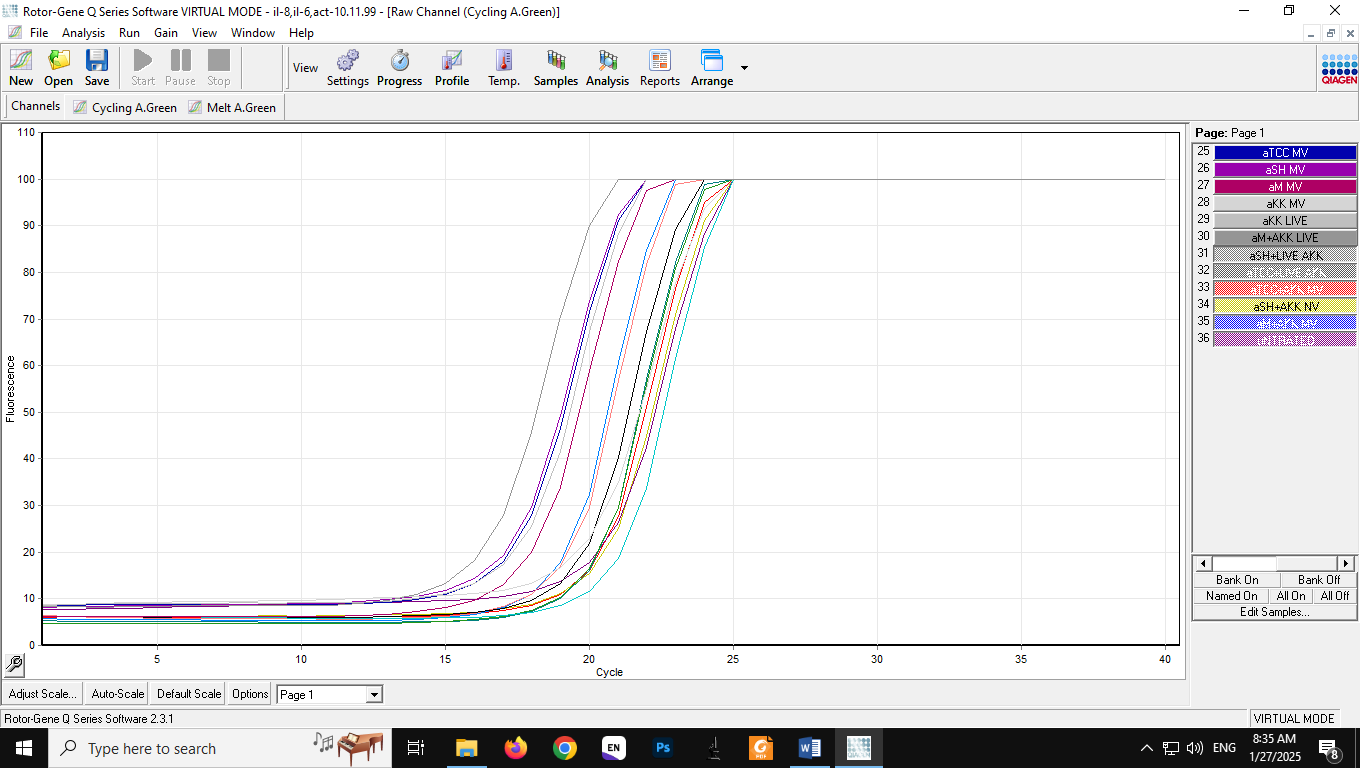
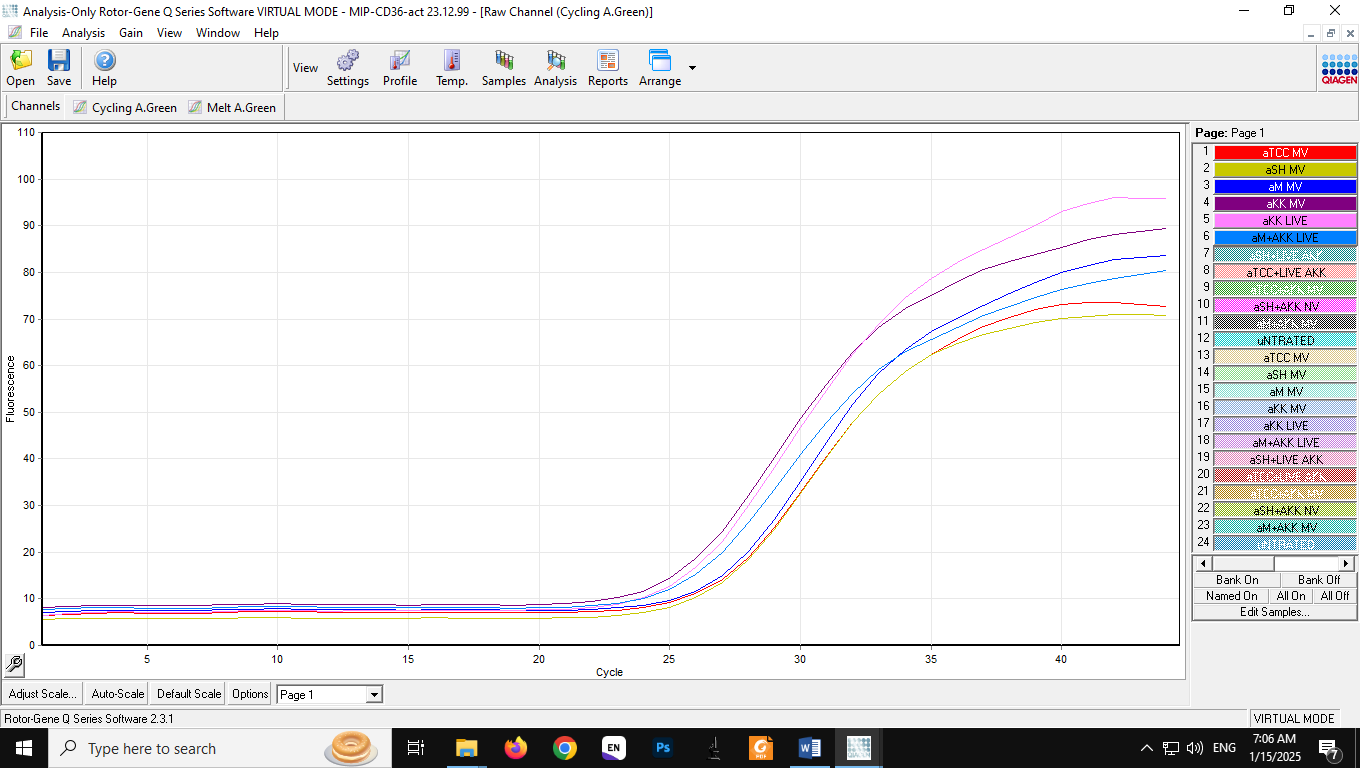
Figure 5. Representative qRT-PCR amplification curves for mexX before and after exposure to thyme extract.
MIC values were 250 mg/mL in seven isolates and 125 mg/mL in three isolates. Relative mexX expression was assessed against P. aeruginosa PAO1. Of the 10 MDR isolates, six showed a significant reduction in mexX expression (reported P<0.05), three showed a reduction that was not statistically significant, and isolate S2 showed a small, nonsignificant increase. Figure 6 presents the before-and-after comparison.
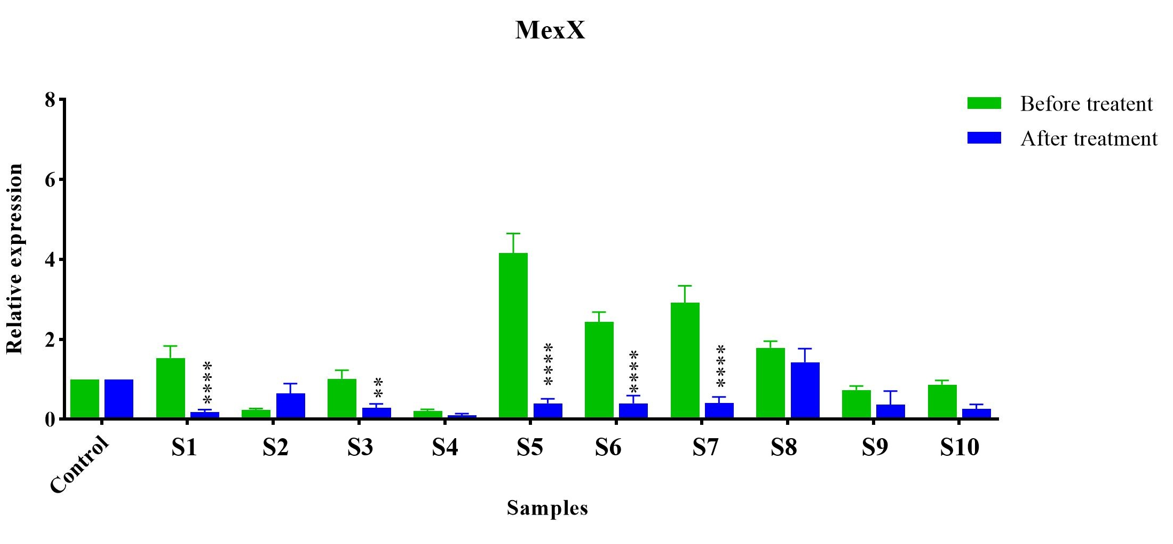
Figure 6. Relative mexX expression compared with Pseudomonas aeruginosa PAO1 before (green) and after (blue) thyme-extract exposure. The source figure displays significance symbols for selected isolates.
Discussion
The present study investigated the effect of garden thyme extract on mexX expression, a component of the MexXY efflux system in P. aeruginosa. Because the clinical isolates were multidrug resistant, the authors considered efflux-pump activity likely to be elevated. The isolates were purified on cetrimide agar, their antibiotic susceptibility was evaluated, and the MIC of thyme extract was determined. Real-time PCR was then used to compare mexX expression in isolates grown with and without sub-MIC extract exposure.
Efflux pumps are key contributors to reduced intracellular antibiotic concentrations and treatment failure in P. aeruginosa [16]. The study’s principal molecular finding was a reduction in mexX expression in most isolates following exposure to thyme extract, with six of ten isolates showing a statistically significant decrease. The response was not uniform: three isolates showed nonsignificant decreases and isolate S2 showed a small nonsignificant increase. Such heterogeneity is consistent with the complex regulatory networks underlying antimicrobial resistance.
The authors discuss the possibility that phenolic constituents of thyme may interact with regulatory pathways controlling efflux-pump expression. Oxidative stress generated by phenolic compounds may also affect signaling pathways that regulate pump expression [19]. From a clinical perspective, an agent that both inhibits bacterial growth and reduces efflux-pump expression could be a candidate for combination strategies with conventional antibiotics. However, the current study did not directly test antibiotic resensitization or combination therapy, so this possibility remains a hypothesis requiring experimental confirmation.
Previous studies have reported antimicrobial activity of thyme and related plant extracts against P. aeruginosa. Diniz and colleagues reported MIC values ranging from 128 to 512 mg/mL for T. vulgaris essential oil against P. aeruginosa and other bacterial isolates, broadly comparable to the MIC values of 125 and 250 mg/mL reported here [21]. Other studies have described antimicrobial activity of thyme essential oil and its constituents [17, 22]. Palaniappan and Holley reported that plant-derived compounds, including thymol from thyme, may increase antibiotic susceptibility in drug-resistant bacteria [23].
The source manuscript contains an internal inconsistency in its Discussion: one passage attributes a significant effect to mexB and mexD, although the stated molecular assay, primer sequences, figures, abstract, and principal results concern mexX. This English version retains the measured target as mexX and flags the discrepancy in the source-integrity notes rather than treating mexB/mexD as measured outcomes.
Conclusion
Thyme extract showed concentration-dependent antimicrobial activity against multidrug-resistant P. aeruginosa. A significant reduction in mexX expression was reported in six of ten MDR isolates, suggesting that thyme extract may affect an efflux-pump-associated resistance mechanism in addition to exerting direct antimicrobial activity. The variability among isolates and the relatively high extract concentrations required indicate that thyme extract should not be considered a stand-alone treatment on the basis of these data. Further studies should clarify its mechanism of action, optimize its formulation and dose, assess its effects on additional efflux-pump genes, and directly evaluate its activity in combination with conventional antibiotics.
Acknowledgments
The authors thank Payame Noor University and the colleagues who contributed to the implementation of the project.
Ethical considerations
The study was derived from the first author’s thesis (code 3004080) and was reported as not requiring an ethics approval code because it did not involve human participants or laboratory animals, in accordance with the university’s stated regulations.
Author contributions
All authors contributed to preparation of the manuscript.
Funding
The authors acknowledged the Educational Deputy of Payame Noor University.
Conflicts of interest
The authors declared no conflicts of interest.
References
- World Health Organization (WHO). Antimicrobial Resistance. 2023. Link
- Dadgostar P. Antimicrobial resistance: implications and costs. Infect Drug Resist. 2019;12:3903-10. doi: 10.2147/IDR.S234610. pmid
- Horcajada JP, Montero M, Oliver A, Sorlí L, Luque S, Gómez-Zorrilla S, et al. Epidemiology and treatment of multidrug-resistant and extensively drug-resistant Pseudomonas aeruginosa infections. Clin Microbiol Rev. 2019;32(4):e00031-19. doi: 10.1128/CMR.00031-19. pmid
- Pang Z, Raudonis R, Glick BR, Lin TJ, Cheng Z. Antibiotic resistance in Pseudomonas aeruginosa: mechanisms and alternative therapeutic strategies. Biotechnol Adv. 2019;37(1):177-92. doi: 10.1016/j.biotechadv.2018.11.013. pmid
- Li XZ, Plésiat P, Nikaido H. The challenge of efflux-mediated antibiotic resistance in Gram-negative bacteria. Clin Microbiol Rev. 2015;28(2):337-418. doi: 10.1128/CMR.00117-14. pmid
- Fernández L, Hancock RE. Adaptive and mutational resistance: role of porins and efflux pumps in drug resistance. Clin Microbiol Rev. 2012;25(4):661-81. doi: 10.1128/CMR.00043-12. pmid
- Atanasov AG, Waltenberger B, Pferschy-Wenzig EM, Linder T, Wawrosch C, Uhrin P, et al. Discovery and resupply of pharmacologically active plant-derived natural products: a review. Biotechnol Adv. 2015;33(8):1582-1614. doi: 10.1016/j.biotechadv.2015.08.001. pmid
- Salehi B, Mishra AP, Shukla I, Sharifi-Rad M, Contreras MDM, Segura-Carretero A, et al. Thymol, thyme, and other plant sources: health and potential uses. Phytother Res. 2018;32(9):1688-1706. doi: 10.1002/ptr.6109. pmid
- Nabavi SM, Marchese A, Izadi M, Curti V, Daglia M, Nabavi SF. Plants belonging to the genus Thymus as antibacterial agents: from farm to pharmacy. Food Chem. 2015;173:339-47. doi: 10.1016/j.foodchem.2014.10.042. pmid
- Hyldgaard M, Mygind T, Meyer RL. Essential oils in food preservation: mode of action, synergies, and interactions with food matrix components. Front Microbiol. 2012;3:12. doi: 10.3389/fmicb.2012.00012. pmid
- Blanco AR, Sudano-Roccaro A, Spoto GC, Nostro A, Rusciano D. Epigallocatechin gallate inhibits biofilm formation by ocular staphylococcal isolates. Antimicrob Agents Chemother. 2005;49(10):4339-43. doi: 10.1128/AAC.49.10.4339-4343.2005. pmid
- Magiorakos AP, Srinivasan A, Carey RB, Carmeli Y, Falagas ME, Giske CG, et al. Multidrug-resistant, extensively drug-resistant and pandrug-resistant bacteria: an international expert proposal for interim standard definitions for acquired resistance. Clin Microbiol Infect. 2012;18(3):268-81. doi: 10.1111/j.1469-0691.2011.03570.x. pmid
- CLSI. Methods for dilution antimicrobial susceptibility testsfor bacteria that grow aerobically (11th ed.). CLSI standard M07.Clin Lab Standard Institute. 2021. Link
- Mogana R, Adhikari A, Tzar MN, Ramliza R, Wiart C. Antibacterial activities of the extracts, fractions and isolated compounds from Canarium patentinervium Miq. against bacterial clinical isolates. BMC Complement Med Ther. 2020;20(1):55. doi: 10.1186/s12906-020-2837-5. pmid
- Abushaheen MA, Muzaheed, Fatani AJ, Alosaimi M, Mansy W, George M, et al. Antimicrobial resistance, mechanisms and its clinical significance. Dis Mon. 2020;66(6):100971. doi: 10.1016/j.disamonth.2020.100971. pmid
- Soto SM. Role of efflux pumps in the antibiotic resistance of bacteria embedded in a biofilm. Virulence. 2013;4(3):223-9. doi: 10.4161/viru.23724. pmid
- Borugă O, Jianu C, Mişcă C, Goleţ I, Gruia AT, Horhat FG. Thymus vulgaris essential oil: chemical composition and antimicrobial activity. J Med Life. 2014;7 Spec No. 3(Spec Iss 3):56-60. pmid
- Alav I, Sutton JM, Rahman KM. Role of bacterial efflux pumps in biofilm formation. J Antimicrob Chemother. 2018;73(8):2003-20. doi: 10.1093/jac/dky042. pmid
- Zhao X, Yu Z, Ding T. Quorum-sensing regulation of antimicrobial resistance in bacteria. Microorganisms. 2020;8(3):425. doi: 10.3390/microorganisms8030425. pmid
- Reygaert WC. An overview of the antimicrobial resistance mechanisms of bacteria. AIMS Microbiol. 2018;4(3):482-501. doi: 10.3934/microbiol.2018.3.482. pmid
- Diniz AF, Santos B, Nóbrega LMMO, Santos VRL, Mariz WS, Cruz PSC, et al. Antibacterial activity of Thymus vulgaris (thyme) essential oil against strains of Pseudomonas aeruginosa, Klebsiella pneumoniae and Staphylococcus saprophyticus isolated from meat product. Braz J Biol. 2023;83:e275306. doi: 10.1590/1519-6984.275306. pmid
- Nostro A, Blanco AR, Cannatelli MA, Enea V, Flamini G, Morelli I, et al. Susceptibility of methicillin-resistant staphylococci to oregano essential oil, carvacrol and thymol. FEMS Microbiol Lett. 2004;230(2):191-5. doi: 10.1016/S0378-1097(03)00890-5. pmid
- Palaniappan K, Holley RA. Use of natural antimicrobials to increase antibiotic susceptibility of drug resistant bacteria. Int J Food Microbiol. 2010;140(2-3):164-8. doi: 10.1016/j.ijfoodmicro.2010.04.001. pmid